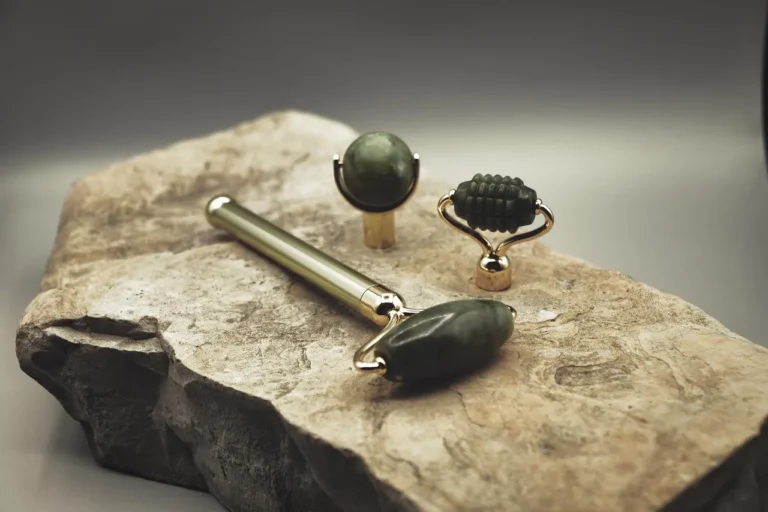

Best Face Massager for Beginners: How to Choose

For most beginners, start with one of two tools: a manual gua sha for low cost and low upkeep, or a basic microcurrent device if you want guided lifting and can commit to conductive gel. Pick the wrong one and you can waste roughly $20 to $300, irritate your skin, or quit because charging, cleaning, and product prep can start to feel like homework. This guide matches the right face massager to your skin concern, budget, skill level, and tolerance for upkeep, then lays out a simple starter routine.
A manual gua sha is often a top pick for many beginners because it tends to have a low learning curve, a low upfront cost, and less skin-contact complexity when enough glide is used.
Quick picks
- Best first buy for most beginners: Manual gua sha. Lowest startup cost, no charging, simple cleanup, and easy control over pressure when used with facial oil or serum.
- Best for puffiness: Vibrating sculpting bar if you want a simpler depuffing tool than gua sha and do not mind charging or batteries.
- Best for facial tension and jawline use: Manual gua sha or a vibrating bar. Choose gua sha for low cost; choose vibration if hand pressure control feels hard.
- Best for lifting-focused routines: Microcurrent if you will buy conductive gel or primer and start on the lowest intensity.
- Best for breakouts plus device flexibility: LED device, especially if blue light matters to you more than massage feel.
What kind of face massager is best for beginners?
For most first-timers, a manual gua sha is the easiest place to start because it is cheap, simple to clean, and easy to understand once glide is in place. A vibrating sculpting bar is the next easiest. Microcurrent and LED make sense first only when their specific goals justify the extra setup.
Why manual gua sha is the easiest starting point
Manual gua sha works well for beginners who want a simple routine, mild pressure, and a low bill on day one. The tool can be stone or metal. Either way, it needs facial oil or a slip-heavy serum so the edge glides instead of pulling skin.
For target zones, start at the neck, then move to the jawline and cheeks. Those areas are easier to learn than the under-eye area, where pressure needs to stay very light. The basic skill set is small: hold the tool at a low angle, keep the skin cushioned with slip, and move in controlled passes.
A common first-timer mistake is using a dry stone on a half-dry moisturizer. The tool catches at the jawline, you press harder, and the session turns irritating in less than a minute.
When a vibrating tool is simpler than gua sha
A vibrating sculpting bar suits beginners who want help with depuffing or facial tension but do not want to learn stroke angles right away. Vibration creates movement through the device itself, so the session often feels easier to control than a rigid scraping edge.
Some devices are built around fast vibration. The Jillian Dempsey Gold Sculpting Bar vibrates 6,000 times per minute. That does not make it automatically better, but it shows how this category tries to create movement without asking you to apply much pressure.
These tools are commonly used after cleansing and moisturizing. They still need a little slip if the skin feels tacky. Cleanup is usually quick, but charging or battery replacement is part of the real cost.
When microcurrent or LED makes sense as a first device
Microcurrent makes sense first if lifting and toning are the main goals and you are willing to use conductive gel every time. LED makes sense first if fine lines or acne are the main targets and massage itself matters less than light therapy.
Microcurrent devices use low-voltage current and often include multiple intensity levels. BestAdvisor lists NuFACE with five intensity levels and an auto shutting-off timer after 5 minutes of use. Those beginner aids matter because too-high intensity is one of the fastest ways to dislike the category.
LED face massagers can be standalone light devices or combination tools. TheraFace Pro includes six attachments, including microcurrent, cleansing, and LED light therapy rings. It also uses blue light for acne and red light for fine lines. That flexibility is useful, but it adds expense, attachments, and more cleanup decisions.
Face massager decision table
| Tool type | Learning curve | Setup time | Cleanup | Skin-contact complexity | Budget to start | Best first concern |
|---|---|---|---|---|---|---|
| Manual gua sha | Low to medium | Low | Low | Low if enough glide is used | Low | Puffiness, mild tension, jawline and cheek routine |
| Vibrating sculpting bar | Low | Low to medium | Low | Low to medium | Medium | Depuffing and facial tension |
| Microcurrent face massager | Medium | Medium | Medium | Medium to high because gel, intensity, and contact matter | Medium to high | Lifting-focused and toning-focused routines |
| LED face massager | Low to medium | Medium | Low to medium | Medium because treatment rules vary by device | Medium to high | Fine lines or acne-focused care |
| If this, then that | Sensitive skin: start with a smooth manual tool and short sessions. Puffiness: choose gua sha or a vibrating bar and work through the face, neck, and chest pathways with upward and outward strokes. TMJ tension: pick gua sha or vibration for comfort-focused use around the jaw, cheeks, and temples; keep pressure light. | |||||
How do you choose the right face massager?
Choose based on the first problem you want to address, then by how much weekly friction you will accept. Puffiness points to gua sha or vibration. Lifting points to microcurrent. Breakouts or fine lines point to LED. If charging, gel, or replacement parts already sound annoying, skip the complex device.
Choose by skin concern
For puffiness and fluid movement, think in terms of lymphatic drainage massage. The method usually uses upward and outward strokes and includes the face, neck, and chest pathways. Results come from repeat use, not one long session. Manual gua sha and vibrating bars fit that goal best.
For facial tension, especially along the jawline, cheeks, and temples, choose a tool that keeps pressure low and movement controlled. A vibrating bar can reduce the urge to dig in. A gua sha can also work well if the edge glides easily on oil or serum.
For lifting and toning, microcurrent is the clearest category match. It is a more guided routine than manual massage, but only if you accept conductive gel or primer as part of the process.
For acne or fine lines, LED is more targeted than a plain massage tool. Red light is used for fine lines; blue light is used for acne. That does not replace massage for puffiness or tension, but it can make more sense than a pure sculpting tool if those are the main concerns.
Choose by effort
Setup is where many beginners quit. Gua sha needs one extra product for glide. A vibrating bar often needs little more than clean skin and moisturizer. Microcurrent usually needs a conductive gel or primer applied generously enough to keep the device moving and conducting properly.
Conductive gel or primer is not optional filler for many electric devices. It helps the tool glide, supports contact, and helps prevent drag and discomfort. Some formulas include hydrating ingredients such as hyaluronic acid, which can make the session feel less drying.
LED devices vary. Some are quick to wipe down. Combo tools take longer because each attachment adds handling and cleaning steps. TheraFace Pro, with six attachments, gives range, but range also means more decisions before bed.
Choose by control
Beginners usually do best with either direct hand control or built-in limits. Gua sha gives direct pressure control. Microcurrent gives intensity control. Helpful beginner features include multiple levels, timers, and auto shutoff so sessions do not run longer than planned.
The same source lists NuFACE with five intensity levels and a 5-minute auto shutting-off timer. BestAdvisor also describes TOUCHBeauty TB-1681 with 2-minute auto shutoff and ion plus/minus modes. Those features are useful because they reduce overuse and make routines easier to repeat.
Picture a beginner comparing two electric tools. One has a 2-minute auto shutoff and one has no timer at all. If routine drift is already a problem, the timer is a practical benefit, not a gimmick.
Choose by total cost
The shelf price is only the first cost. Gua sha has the smallest long-term burden because there is no charging and no conductive gel requirement. The ongoing cost is mainly the oil or serum you already use for slip.
Microcurrent often has the highest real cost because the tool, the gel, and the charging all matter. Replacement heads may apply to some device categories, though that depends on the model. LED combo devices can also raise cost through extra attachments and longer maintenance time.
If the budget is tight, ask one plain question: will this tool still feel easy after ten sessions? If the answer is no, the cheaper simple tool is usually the better buy.
How to choose the easiest face massager first
If you’re starting from scratch, the main takeaway is simple: choose the tool that matches your comfort level, budget, and willingness to keep a routine. The supporting guide breaks down the most beginner-friendly face massager types, showing why manual tools like rollers or gua sha are often the easiest entry point and why more advanced devices can be a poor first buy if you’re not ready for a learning curve.
It also compares common options side by side, so you can see when a manual tool makes more sense than a powered device. If you want a clearer starting point before you buy, the face massager beginners guide explains how to choose based on ease, cost, and how likely you are to use it consistently.
Manual gua sha
Who it suits best
This is the best fit for beginners who want low cost, low upkeep, and strong pressure control. It also suits people who prefer a tool with no charging and no settings. If the goal is a first routine for jawline, cheeks, and neck work, manual gua sha is usually the cleanest starting point.
Tool shape matters more than beginners expect. A design with varied edges can help fit facial contours. By Ava Gua Sha has eight different divets and corners for facial angles, which shows why one flat shape is not the only option in this category.
What you need for glide
Use facial oil or a serum with enough slip. A tacky gel-cream is often not enough. Without glide, the tool drags, and drag makes you press harder. That is the main beginner failure mode in this category.
Best target zones for beginners
Start on the neck, then jawline, then cheeks. Temples can come last. The under-eye area is optional at first because the margin for too much pressure is small. Keep strokes upward and outward for lymphatic drainage style work, and include the neck so fluid has somewhere to move.
Common first-use mistakes
- Using too little oil or serum.
- Holding the edge too upright and scraping instead of gliding.
- Trying to contour the face with force.
- Working over active breakouts or very reactive patches.
- Spending too long on one jaw spot because it feels tight.
Vibrating sculpting bar
How vibration changes the feel and learning curve
Vibration adds movement without requiring much hand pressure. That makes it forgiving on the jawline, cheeks, temples, and neck. The tradeoff is dependence on charging or batteries and less tactile feedback than a manual tool gives.
The Joanna Czech Facial Massager is recommended for about seven minutes a day and is made of aluminum and zinc alloy. That example shows two useful beginner points: some vibrating tools suggest a short, defined session, and metal bodies are common for easy wipe-down cleaning.
Best use cases for puffiness and facial tension
Use this category when the main goal is comfort or a lower-effort depuffing routine. It can work well after cleansing and moisturizing, especially in the morning when puffiness is the main complaint. Keep the pressure light and let the vibration do most of the work.
What to know about battery and maintenance
Charging friction matters more than marketing copy suggests. A tool that stays dead in a drawer is useless. If the routine needs to be fast, pick a model with a clear timer or a short recommended session and easy wipe-down care.
Clarins Precious L’Outil 3-in-1 is described as a compact travel tool with a fingertip side and curved side. That kind of physical design can make zone work easier, but shape does not erase the need for gentle pressure.
Microcurrent face massager
Why conductive gel or primer matters
Conductive gel or primer keeps the device gliding properly and supports even contact. It also helps prevent drag and discomfort. Some formulas include hydrating ingredients such as hyaluronic acid, which can reduce the dry, sticky feel that beginners often dislike.
Skipping gel is one of the easiest ways to get a bad result from an electric tool. The device may tug, feel unpleasant, or lose smooth contact on the neck and jawline.
How to start with intensity and timers
Start on the lowest setting. Move up only after several comfortable sessions. Tools with built-in limits are easier for beginners to trust. NuFACE is listed by BestAdvisor as having five intensity levels and a 5-minute auto shutting-off timer, which is a useful example of starter-friendly controls.
When microcurrent is too much tool for a first routine
If the budget is tight, if prep fatigue is likely, or if very reactive skin already makes routines hard, microcurrent may be more device than a beginner needs. It is a better first buy when you are specifically chasing lifting and toning rather than general depuffing or tension relief.
LED face massager
Red light vs blue light for beginner goals
Red light is used for fine lines. Blue light is used for acne. Those are separate beginner goals, so match the light mode to the problem that matters most rather than buying a combo tool and using none of its features consistently.
TheraFace Pro is a concrete example of a multi-mode device: it includes six attachments, including microcurrent, cleansing, and LED light therapy rings, and it uses blue light for acne and red light for fine lines.
Standalone LED vs combo devices
Standalone LED is simpler. Combo devices can cover more needs but add setup decisions, attachment swaps, and a higher chance of paying for features that go unused. For a beginner, the right question is whether the extra mode will actually become part of the weekly routine.
What LED cannot replace in a massage routine
LED does not replace the mechanical movement of lymphatic drainage style massage. If puffiness, morning fluid buildup, or facial tension are the main problems, gua sha or vibration usually fits better. LED is more about the light category goal than massage feel or pressure control.
How should a beginner use a face massager safely?
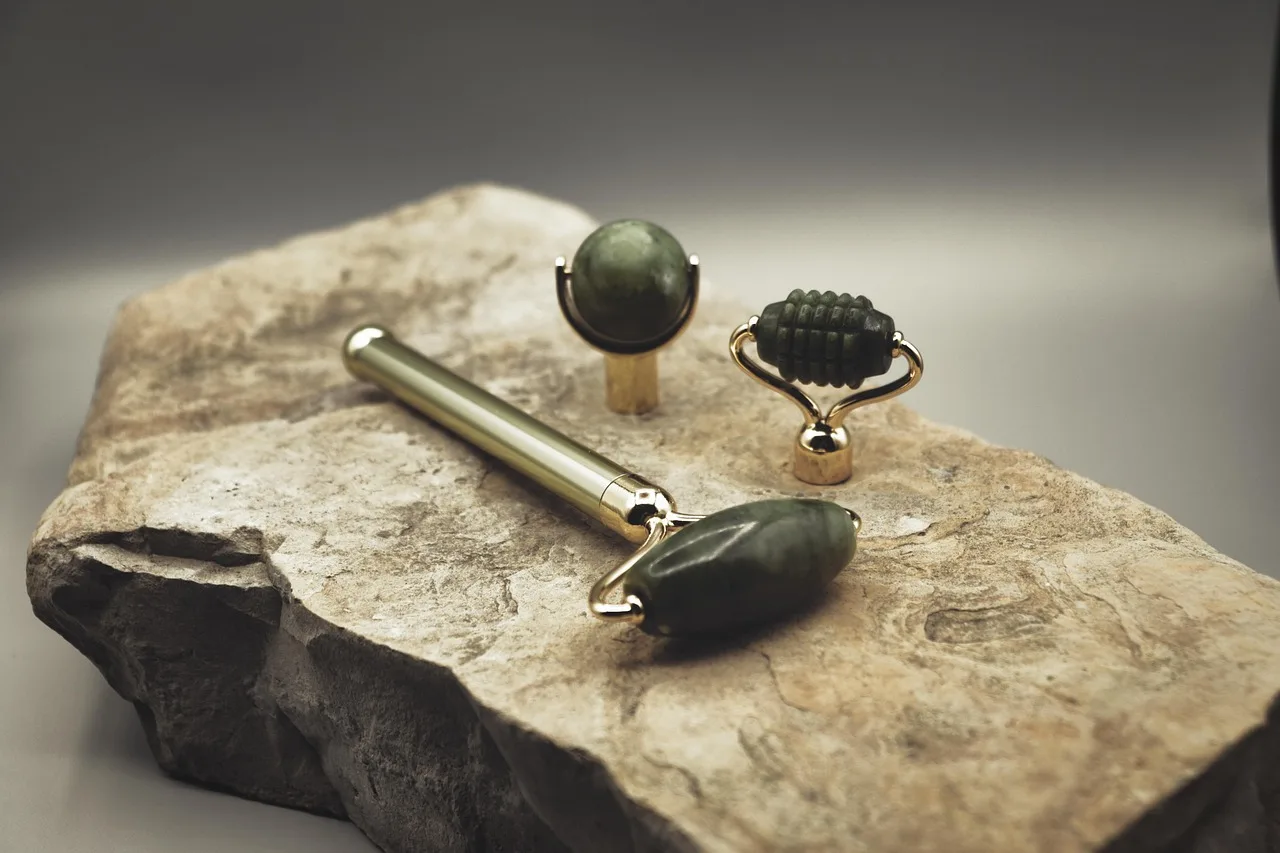
Start shorter and gentler than the box suggests. For most beginners, that means brief sessions, light pressure, and low settings while you learn how your skin responds. Keep target zones limited at first: jawline, cheeks, temples, neck, and only a very light pass under the eyes if the tool glides easily.
A low-risk starter routine by device type
- Clean the skin. Start with a clean face so dirt, sunscreen, or makeup are not pushed around during the session. If using LED or microcurrent, follow any device-specific prep rules first.
- Add the right slip. Use facial oil or a slip-heavy serum for gua sha. Use moisturizer for many vibrating bars if the skin feels tacky. Use conductive gel or primer for microcurrent so the device glides and contacts properly.
- Start at the neck. Use light upward and outward strokes across the neck before moving to the jawline and cheeks. This gives a lymphatic drainage style routine a clear order and keeps you from spending the whole session on one tight area.
- Limit the first session. Keep the first use brief and controlled. If the tool has a timer, let that set the endpoint. TOUCHBeauty TB-1681 is described by BestAdvisor as having 2-minute auto shutoff, while some vibrating tools suggest longer use, such as about seven minutes a day for the Joanna Czech Facial Massager.
- Keep pressure low. Let glide or vibration do the work. On the jawline and neck, strong pressure is a mistake. Under the eyes, use the lightest contact of the whole routine or skip that area until technique feels stable.
- Clean the tool. Wipe down metal, stone, or device heads after each use. Fast cleanup is one reason manual tools are easier to keep in rotation.
How often to use each tool at the beginning
Start with consistency over intensity. Harper’s Bazaar says facial massage can be used daily or a few times a week, but beginners do not need daily use for every tool. Gua sha or vibration can start a few times a week. Microcurrent and LED depend more on the device plan and skin tolerance.
Suppose you buy a microcurrent tool with five intensity levels and jump straight to the highest level on day one. If the session already feels fussy because of gel and charging, that extra intensity often turns a workable routine into a drawer device.
How to work the jawline, neck, temples, and under-eye area
On the neck, use gentle upward and outward passes. On the jawline, move from the chin area outward toward the ear with light contact. On the cheeks, follow the same outward direction. At the temples, pressure should stay easy. Under the eyes, use the least pressure and plenty of slip.
What to avoid on sensitive, acne-prone, or reactive skin
Avoid over-massaging, dragging the skin, using too much pressure, picking too-high intensity, and skipping gel on electric devices. Do not work aggressively over active breakouts or very reactive patches. If the skin stings, looks angry, or feels hot, stop and shorten the next session.
Vogue says the best facial massagers can reduce puffiness, boost circulation, and relieve facial tension. Those are reasonable beginner expectations. Strong contouring, acne clearing, or wrinkle claims are not.
Frequently asked questions
How often should a beginner use a face massager?
Start a few times a week, not automatically every day. Manual gua sha and vibrating tools are usually the easiest to repeat. Microcurrent and LED depend more on the device and prep steps. If the skin feels irritated or the routine feels annoying, reduce frequency before abandoning the tool.
Do face massagers really work for puffiness and circulation?
They can help with short-term puffiness and comfort when the tool matches the job. Gua sha and vibrating bars make the most sense for fluid movement and facial tension. Broad circulation claims are common, but the practical beginner test is simpler: does the face look less puffy and feel less tight after consistent use?
Is a manual roller easier than a microcurrent device for beginners?
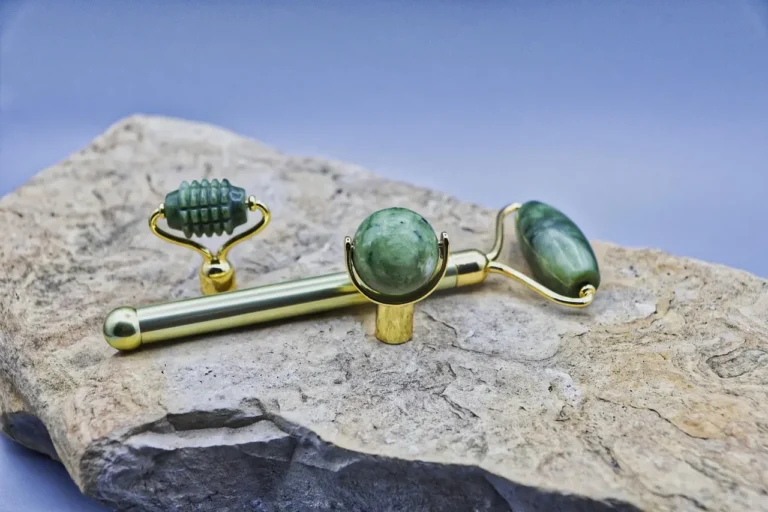
Yes. A manual roller is usually easier than microcurrent because it has almost no setup, no gel requirement, and no intensity settings. It is also simpler than gua sha because angle matters less. The tradeoff is that rollers usually give less pressure control and less targeted edge work than gua sha.
What should I avoid when using a face massager for the first time?
Avoid dry use, hard pressure, long sessions, and high settings. Do not drag a gua sha across tacky skin, and do not use a microcurrent device without conductive gel or primer if the tool calls for it. Skip aggressive passes over active breakouts, reactive areas, or the under-eye zone.
How do I use a face massager safely on my jawline and neck?
Use light contact, good glide, and short passes from the center outward. Start at the neck, then move to the jawline. Keep the tool moving instead of grinding into one sore spot. The neck and jaw respond better to controlled, repeatable motion than to force.
Should I buy an LED, vibrating, or gua sha face massager first?
Buy gua sha first if low cost and low maintenance matter most. Buy a vibrating bar first if puffiness or facial tension matter more and you want less technique. Buy LED first only when acne or fine lines are the main target and you accept that LED does not replace massage movement.