Best Hair Dryer for Frizzy Hair: Top Picks
Choose an ionic dryer with 1,800+ watts, multiple heat settings, and a concentrator. These picks sort the best options by hair type and porosity.

Hair dryers compared in plain English: ionic vs ceramic, choosing for fine or thick hair, safe use and how to clean one.
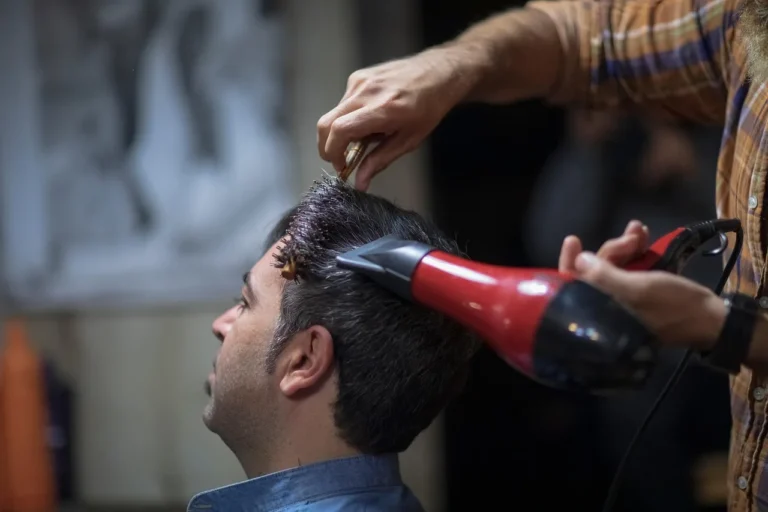
Choose an ionic dryer with 1,800+ watts, multiple heat settings, and a concentrator. These picks sort the best options by hair type and porosity.
Clean the rear screen and intake vents every 1 to 2 months, sooner if the dryer runs hot or slows down.

Frizzy hair after blow-drying usually comes from a lifted cuticle, moisture imbalance, or rough airflow. It breaks down each cause and how to fix it.
Ionic dryers dry faster and tame frizz, while ceramic dryers heat more evenly for gentler styling. This compares drying speed, heat, and hair type fit.
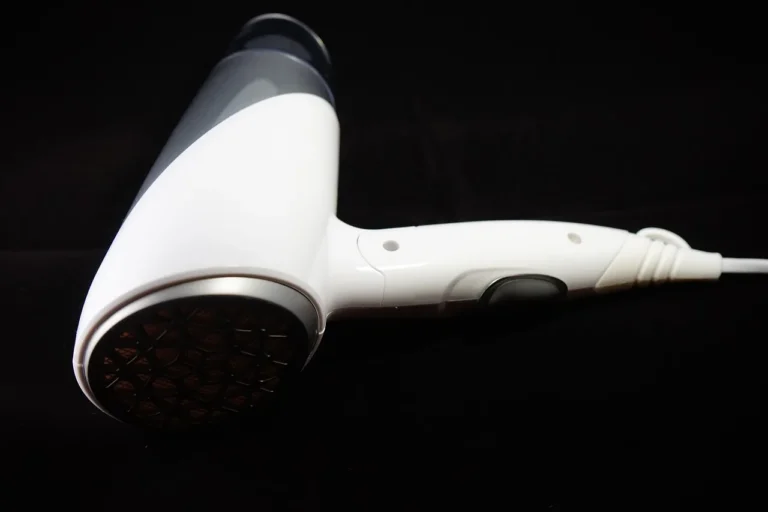
Clean a hair dryer filter every 1–2 months, sooner if airflow drops or lint shows. Learn how to clean washable screens and replace damaged mesh.
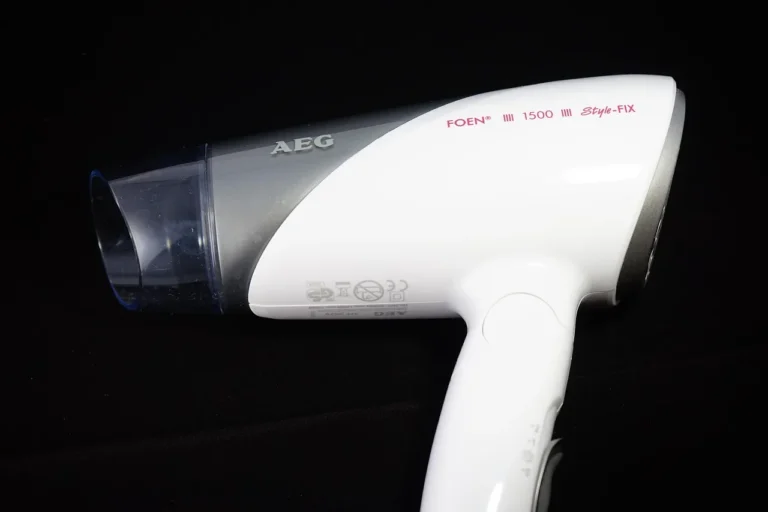
Ionic dryers usually reduce frizz more on thick, coarse, or very frizzy hair; ceramic is often enough for fine or mildly frizzy hair.

Choose a hair dryer with adjustable heat, the right attachment, and a cool-shot button to reduce frizz for straight, wavy, curly, or coily hair.
Ionic hair dryers usually suit thick, coarse, or frizz-prone hair best, while fine hair often needs lower ion output, lower heat, and a narrow nozzle.
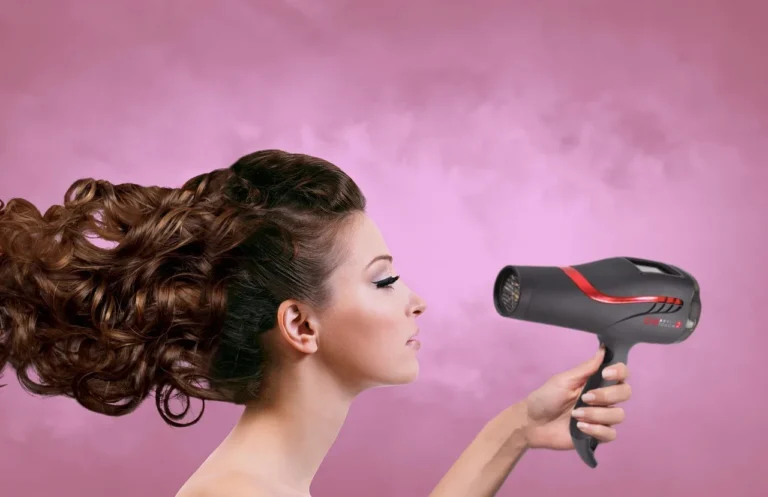
Pick ionic for faster drying and less heat exposure; choose ceramic for gentler, more even heat when shaping waves or curls.

Clean the filter after every 2–4 uses and deep-clean monthly if you use it weekly. Watch for weak airflow, lint buildup, or a hotter-than-normal dryer.