
Is a Face Massager Useful for Skin Care and Relaxation?

Yes, mainly for short-term relaxation and puffiness relief; for visible skin changes, expect modest results and use it only if you’ll do it 3 to 5 times a week. Used too hard or on irritated skin, it can cause redness, broken capillaries, or a routine you quit after a week. This guide separates relaxation from skin-care benefits, compares manual and electric options, and shows what is immediate, what needs consistency, and what depends on technique.
This guide is part of our How to use a face massager for best results at home series.
Face massage basics
A face massager is a manual tool or electric device used on clean skin with glide from serum, moisturizer, or oil. Common goals are circulation, puffiness relief, facial tension release, and a temporary glow. The value depends on whether you want a quick cosmetic change, a calming ritual, or a device with added features such as microcurrent or LED.
Manual tools versus electric devices
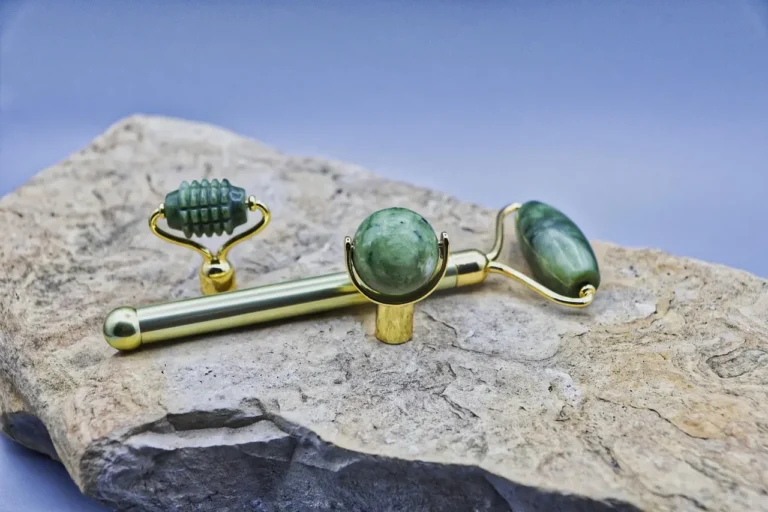
Manual tools include gua sha, kansa wands, rollers, and sculpting bars. Electric devices add vibration, microcurrent, heat, cleansing, or light therapy. Manual tools are usually cheaper, easier to clean, and more forgiving for sensitive skin. Electric tools cost more up front, but some combine several functions in one body.
Gua sha is a scraping or massage tool often used with oil or serum, and kansa wands use circular and upward strokes. A face massager is often recommended for about seven minutes a day. The Nurse Jamie Uplift Massaging Beauty Roller uses multi-directional massage stones and a compact design for sculpting and circulation.
The Jillian Dempsey Gold Sculpting Bar is 24-karat gold-plated and vibrates 6,000 times per minute. Therabody’s TheraFace Pro is a multi-attachment device with cleansing and LED light therapy attachments. Blue light for acne and red light for fine lines, while microcurrent technology uses low-voltage current and is used in noninvasive therapy to support collagen and elastin.
Does a face massager help skin care?
Yes, but mostly in limited ways. A face massager can make skin look less puffy, more awake, and slightly brighter right after use, and repeated use may also lead to subtle lifting effects over time. It is less convincing as a tool for deep skin remodeling, and results depend heavily on technique, pressure, and consistency.
Immediate cosmetic effects
Right away, the most believable changes are temporary de-puffing, more color from circulation, and a smoother look from massage plus product slip. Harper’s Bazaar says facial massage can help increase circulation and create a natural glow, while Vogue says massagers can reduce puffiness and improve circulation.
That means a face massager can be useful before a meeting, event, or photo, when the goal is appearance rather than a long-term shift in skin structure. It can also make skin feel softer after cleansing because the product layer spreads more evenly.
What consistency can change
Repeated use is where the stronger claims live. Vogue says consistent facial massage can improve product absorption and improve glow, and it also says it may provide subtle lifting effects over time. Harper’s Bazaar says daily use or a few times a week is preference-based, which is a useful reminder that this is a routine, not a one-time fix.
Suppose a person uses a gua sha tool for five minutes after moisturizer three times a week. The likely change is a calmer-looking face and less morning puffiness, not tighter skin. If pressure gets heavier each week, the benefit may flatten out while irritation rises.
What it cannot reliably do
A face massager should not be treated as a cure for wrinkles, acne, lymphatic problems, or collagen loss. Claims about absorption and circulation are real enough to matter, but they do not equal dramatic skin change. Some tools can support a routine; none can replace sunscreen, acne treatment, or procedure-based care when those are needed.
Allure says face massagers can improve blood circulation, promote collagen production, and encourage lymphatic drainage. Those are useful features to know, but the practical takeaway is narrower: the device may help the face look and feel better, while the underlying skin issue may stay the same.
Does a face massager help with relaxation and tension?
Yes. Relaxation is the area where face massagers often feel most useful, especially for jaw clenching, temple tightness, and general facial fatigue. Harper’s Bazaar specifically says they can help relieve tension from clenched jaws and temples, which is a short-term effect many people notice more clearly than any skin change.
Jaw tension and facial tightness
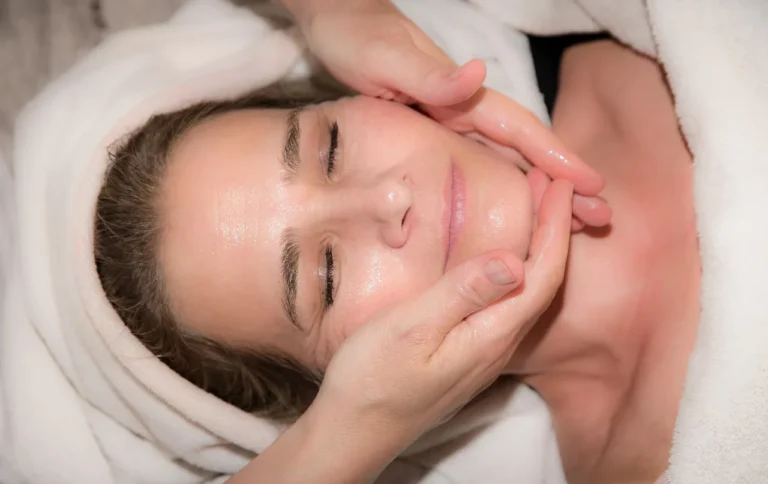
For jaw tension, the goal is not force. Gentle, repeated passes along the masseter area, cheeks, and temples can make the face feel less locked. That may matter even when skin benefits are modest, because tension relief can improve comfort and make the routine easier to keep.
A common first-timer mistake is pressing hard along the jaw because it feels like more pressure should mean more benefit. In practice, too much pressure can leave the area flushed and sore, especially near the cheeks and around the nose.
Short sessions versus longer routines
Short sessions are usually enough for relaxation. A few minutes can be enough for puffiness and tension relief, while longer routines are more about ritual than better results. Joanna Czech’s seven-minute recommendation fits that idea well: long enough to work through the face, short enough to repeat.
For a device with vibration, such as the Jillian Dempsey Gold Sculpting Bar, the time spent matters less than using a light touch and keeping the motion moving. If the session starts to feel like rubbing, the pressure is probably too much.
When relaxation matters more than skin results
If the main goal is a calmer face after long screen time, clenched teeth, or a tense workday, even a basic manual roller can be worth it. If the main goal is smoothing fine lines or treating acne, the return is less certain, and device choice matters more.
Face massage can feel useful even when the skin outcome is subtle. That alone can justify it for some routines, but only if the person enjoys the process enough to repeat it.
Face massage decision table
This table separates goals, tool type, likely effect, and the caution level that should shape the buying decision. The point is not to buy the most expensive device. It is to match the tool to the result you actually want.
| Goal | Manual/electric | Best-fit benefit | Evidence strength | Frequency | Caution | Worth buying? |
|---|---|---|---|---|---|---|
| Morning puffiness | Manual or electric | Short-term de-puffing and cooling effect | Moderate | Daily or a few times a week | Avoid heavy pressure and inflamed skin | Yes, if puffiness is a regular concern |
| Temporary glow | Manual | Circulation-driven brightness | Moderate | 3 to 5 times a week | Do not expect lasting tone change | Yes, for a quick cosmetic lift |
| Jaw tension | Manual or vibration device | Muscle relaxation and comfort | Moderate | Short sessions, several times a week | Skip if pressing hurts or worsens TMJ symptoms | Yes, if tension relief is the priority |
| Fine lines | Electric with microcurrent or LED | Subtle long-term support | Limited to moderate | Several times a week | Results are gradual and device-specific | Maybe, if you want a tech-based add-on |
| Acne-prone skin | Electric with blue light only, or skip massage | Supportive care, not acne treatment by massage alone | Limited | Follow device directions | Avoid friction on active breakouts | Maybe, but not for massage alone |
| Sensitive skin | Manual | Gentle relaxation with low friction | Moderate | 1 to 3 times a week | Choose smooth edges and light pressure | Yes, if the tool is simple and gentle |
| Post-procedure recovery | Neither, until cleared | None until skin is healed | Strong caution | Only after professional clearance | Avoid before redness, swelling, or tenderness settle | No, not right away |
| Product ritual and massage feel | Manual | Enjoyable routine with low upkeep | Moderate | Daily or a few times a week | Needs regular cleaning and glide products | Yes, if you value the ritual |
Which type fits your goal?
Choose the tool by the result you care about most. Manual tools usually fit puffiness, glow, and sensitivity best. Electric tools make more sense when you want vibration, cleansing, microcurrent, or LED added to the routine. The best choice is the one you will use without irritating your skin.
Puffiness and glow
For puffiness and a quick glow, a roller, gua sha tool, or compact sculpting device is usually enough. The Nurse Jamie Uplift Massaging Beauty Roller suits quick sculpting and circulation, while the Joanna Czech Facial Massager is a simple option when you want a timed, short routine. These are low-friction picks for a visible but temporary effect.
The Jillian Dempsey Gold Sculpting Bar is useful if you like vibration and want a device that feels more active than a stone tool. Its 6,000-times-per-minute vibration may feel more stimulating, but stronger sensation is not the same as stronger skin change.
Fine lines and firmness
If the goal is fine lines, microcurrent and LED are the more specific features to look for. Therabody’s TheraFace Pro combines attachments, including microcurrent and LED light therapy. The same source notes blue light for acne and red light for fine lines, which makes the device more of a multi-use skincare tool than a simple massager.
That said, microcurrent is still a support tool, not a replacement for a proven skincare routine. LED light therapy is also goal-specific: blue light is used for acne, while red light is used for fine lines, and neither should be sold as an instant fix.
TMJ and facial tension
For TMJ-adjacent tension, the best tool is the gentlest one that encourages relaxation without aggravating the joint. Manual massage around the cheeks, temples, and outer jaw often makes the most sense. If clicking, pain, or locking is part of the problem, a face massager should not be treated as treatment on its own.
Suppose the jaw feels tight after a long commute and a 10-minute massage session makes it looser but a little red. That is a sign the pressure was useful but too heavy. The next session should be shorter and lighter, not stronger.
Sensitive, acne-prone, and rosacea-prone skin
Sensitive skin usually does best with smooth manual tools, minimal pressure, and fewer sessions. Acne-prone skin needs low friction and care around inflamed spots. Rosacea-prone skin is the most likely to react to heat, rubbing, and vigorous strokes, so gentle pressure matters more than any promised glow.
Acne-prone skin may tolerate a device better on clear areas than over active blemishes. Rosacea-prone skin often does better with shorter, cooler, quieter sessions, or no massage during flares. If a tool leaves the face hotter or more flushed each time, that is a warning sign, not a sign of progress.
Use the lightest pressure that still moves the tool. Start on clean skin with a serum, moisturizer, or oil that gives glide. Move upward and outward, keep the tool moving, and stop if the skin turns red, stings, or feels hot. Hygiene matters because dirty tools can collect oil, residue, and bacteria.
Pressure and direction
Gentle pressure is the rule. Move upward and outward to reduce tugging and match the way most tools are shaped. For gua sha, keep the edge flat enough to glide rather than scrape. For rollers and vibrating tools, avoid digging into the skin near the nose, under the eyes, and along inflamed areas.
Session length and frequency
Most people do not need long sessions. A few minutes can be enough for puffiness or tension, and around seven minutes is a practical benchmark for a fuller routine. Harper’s Bazaar notes that daily use or a few times a week is preference-based, and that range makes sense for most users who want visible but modest results.
Clean skin, glide, and hygiene
Use the tool after cleansing and before or after a leave-on product, depending on the formula and the tool design. Wipe nonporous tools after each use and deep-clean them often enough that residue does not build up. Water-resistant or waterproof devices are easier to maintain, but they still need regular cleaning.
Cost matters too. A low-cost manual tool has a low cost per use if you actually use it. An expensive electric device only becomes worth it when the added features matter to your goal and the maintenance is acceptable. Replacement heads, charging, and cleaning time all belong in the budget.
When to avoid use
Skip facial massage on open acne lesions, irritated eczema, fresh peels, sunburn, and any post-procedure skin that has not been cleared for massage. Avoid it if redness lingers long after each session, if broken capillaries start to appear, or if the routine makes you clench harder. A tool that leaves the face worse is not worth keeping.
Frequently asked questions
Is a face massager actually good for skin care?
It can be, but the benefit is usually modest and goal-specific. The clearest gains are temporary puffiness relief, a little extra glow, and subtle support for a routine you will keep doing. It is not a strong stand-alone treatment for wrinkles, acne, or collagen loss.
How often should you use a face massager?
For most people, daily use or a few times a week is reasonable, depending on skin sensitivity and the tool type. Gentle manual tools can often be used more often than stronger electric devices. If the skin stays red, sore, or hot afterward, the schedule is too aggressive.
Can a face massager reduce puffiness?
Yes, especially in the morning or after a long day. The effect is usually temporary and works best with light pressure and consistent use. Vogue and Allure both note puffiness or drainage-related benefits, but those results are about appearance and comfort, not a medical fix.
Does facial massage improve product absorption?
Sometimes, but the claim should be kept small. Massage may help products spread more evenly and feel more absorbed, and Vogue says consistent facial massage can improve product absorption. That does not mean a serum suddenly penetrates far deeper or works better in every case.
Are electric face massagers better than manual tools?
Not automatically. Electric tools make sense if you want vibration, microcurrent, cleansing, or LED in one device, while manual tools are usually simpler, cheaper, and easier on sensitive skin. The better option is the one that matches your goal and skin tolerance, not the one with more features.