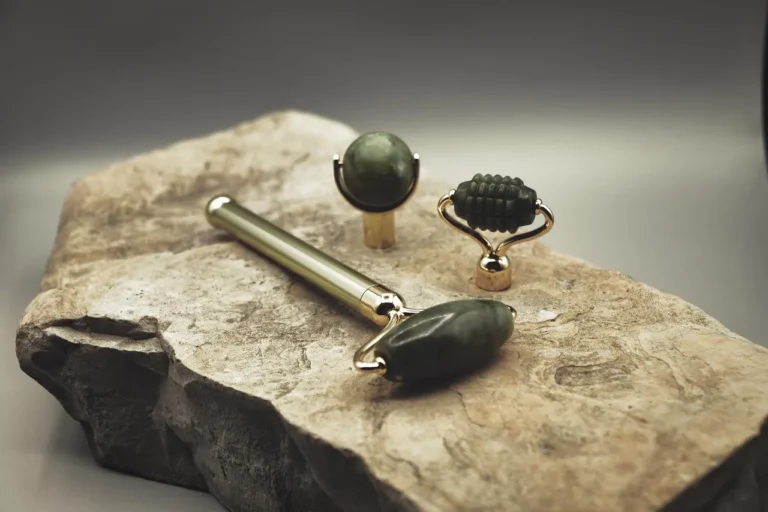

How to Use a Face Massager for Best Results at Home

Use a face massager on clean skin with the right amount of slip for the tool, usually for about 3 to 10 minutes. Use light glide for rollers, a low-angle pass with very light pressure for gua sha, gentle contact for vibrating wands, and conductive gel only for microcurrent. Too much pressure, dry skin, or the wrong prep can leave the skin red, irritated, or underwhelming in results. This guide matches technique, prep, pressure, and frequency to rollers, gua sha, vibrating wands, and microcurrent devices.
The main split is goal. Temporary de-puffing, a more awake look, and some tension relief can show up after one session, especially around the cheeks and jaw. Firmer-looking skin and subtle smoothing take longer, and they depend much more on consistent use, the tool type, and steady contact than on pressing harder.
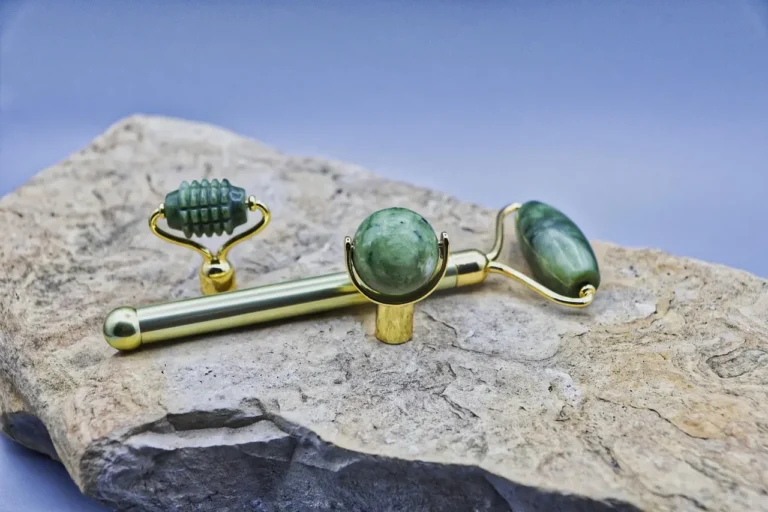
Many poor results come from using every tool the same way. A jade, quartz, or metal roller needs slip and light passes. A gua sha tool needs a flatter angle and very light scraping pressure. A vibrating wand relies on gentle contact. A microcurrent device uses low-voltage current and usually needs conductive gel, not facial oil.
That distinction matters because realistic outcomes differ. Vogue says the best facial massagers can reduce puffiness, and Harper’s Bazaar notes that some tools are designed for lymphatic drainage massage. Allure says the best face massagers can improve blood circulation, and it also says they can promote collagen production, but that is not the same as promising instant contour changes or permanent lifting from manual massage alone.
Which type of face massager is best for your goal?
If the goal is quick de-puffing, choose a manual roller. If the goal is controlled shaping work along the jaw, cheeks, and neck, choose gua sha. If the goal is gentle tension relief, a vibrating wand fits. If the goal is firming-focused use, choose microcurrent with conductive gel.
Choose by result, not by category
A face roller is often the easiest starting point. It fits people who want a simple tool for morning puffiness and light circulation support without much setup. Center-to-outward passes with gentle pressure are usually enough.
Gua sha is more technique-dependent. It is often the better pick for the jawline, cheeks, and neck because the edge lets you place pressure more precisely. That also means mistakes show up faster if the skin does not have enough slip.
Vibrating wands are useful when the goal is massage with very little drag. They can work well on cheeks, temples, and along the jaw when the skin feels tight or tense. The motion comes from the device, so your hand should stay light.
Microcurrent is different from the rest. Allure includes microcurrent as a top face-massager type, and this is the tool category most associated with firming or lifting use cases at home. It is also the least forgiving if the prep is wrong, because contact matters for current flow.
Match the tool to budget and sensitivity
Manual tools are usually the lowest-upkeep option. They need no charging, no settings, and fewer product restrictions. For sensitive skin, that simplicity helps because there are fewer variables to get wrong.
Electric tools add features but also add cleaning steps, attachment changes, and skin-product compatibility issues. The same source says the TheraFace Pro includes multiple attachments, and says the device has 6 attachments in total, including red light for fine lines. Harper’s Bazaar says the TheraFace Pro is best overall. That kind of multi-use device makes sense only if the added functions fit the routine you actually plan to do.
Suppose the budget is tight and the skin flushes easily. A smooth metal roller used on moisturizer is usually easier to tolerate than a strong electric setting or a dry gua sha pass. Change only the tool, keep the prep gentle, and irritation risk usually drops.
What face massagers can realistically do for skin and relaxation
A face massager can be helpful for two different goals: quick relaxation and modest, short-term skin benefits like less puffiness. The supporting guide explains where the tool is most useful, where expectations should stay realistic, and why consistency matters more than intensity. It also compares manual and electric options so you can match the device to your routine instead of buying based on hype.
Just as important, it covers when face massage can backfire, such as using too much pressure or treating irritated skin. For a clear breakdown of benefits, limits, and the role of technique, see face massager benefits.
What should you put on skin before using a face massager?
Use the product that gives the right slip for the tool. Serum or moisturizer is often enough for rollers and vibrating wands, oil or a richer serum can help gua sha glide, and microcurrent devices usually need conductive gel. The wrong product causes drag, skipped contact, or clogged-prone skin.
When serum or moisturizer is enough
Use a face massage device after cleansing and toning, then apply serum or moisturizer for easier glide. That setup works well for many rollers and vibrating tools because it lets the tool slide without making the skin overly slick.
A light moisturizer is often the safest middle ground for beginners. It cuts friction, helps the tool glide, and can make the routine simpler than layering a separate oil. It may also support product spread across the skin, but that should be treated as a practical benefit, not a guaranteed absorption claim.
When oil helps and when it gets in the way
Gua sha often works best with more slip than a thin watery serum provides. Facial oil or a cushiony serum can help the edge glide over the jawline, cheeks, and neck without catching. The tool should skim, not scrape.
Oil is less helpful when it makes the tool hard to control. If the stone skates too fast, pressure often rises without you noticing. On acne-prone skin, a very heavy oil can also turn a short massage into a breakout trigger if residue stays trapped along the jaw or hairline.
Why microcurrent usually needs conductive gel
Microcurrent devices use low-voltage current, so contact is the whole point. Conductive gel is typically recommended because it keeps the device gliding while supporting even contact across the skin. Heavy facial oils can interfere with that contact and should not be treated as a swap unless the device instructions say otherwise.
Say your microcurrent tool keeps snagging across one cheek even though the other side feels smooth. The first variable to change is product, not pressure. Add more conductive gel to the dry side, then repeat the pass without pressing harder.
Products to avoid on reactive or breakout-prone skin
Avoid massaging over inflamed acne, broken skin, sunburn, or very irritated patches. Skip gritty exfoliants, strong acids, retinoid layers that are already stinging, and fragranced products that make the face heat up during contact. A reactive face usually benefits more from pausing than from pushing through.
How do you use a face massager at home for the best results?
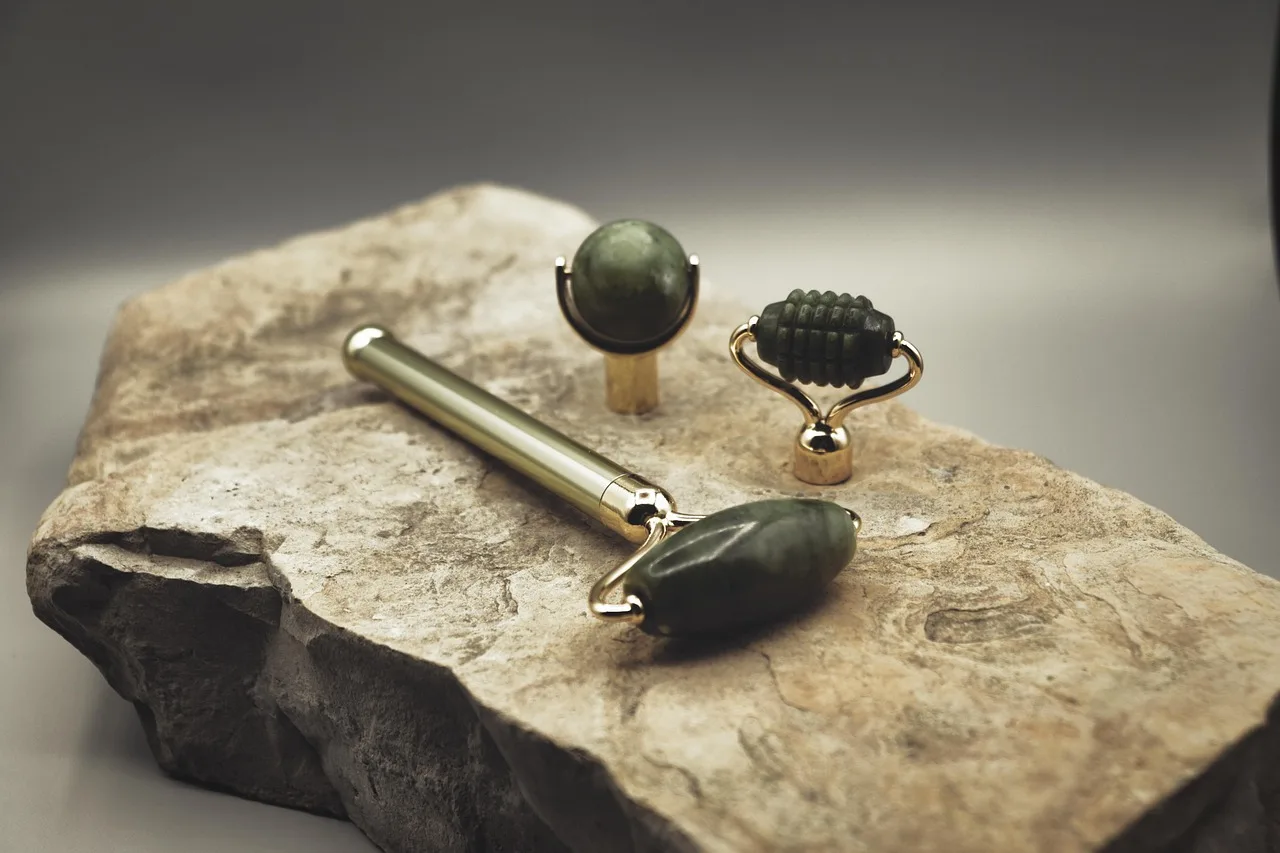
Start with clean skin, a clean tool, and enough slip for the tool type. Use center-to-outward and generally upward motion for many tools, keep pressure gentle, and stop before the skin turns hot or angry. The best result usually comes from controlled passes, not longer sessions.
Prep before the tool touches skin
Clean skin matters because grime, sunscreen residue, and makeup can increase friction and push debris around. The tool should also be clean before touching the face, especially attachments that contact multiple areas or collect product in seams.
Tie back hair and keep the path clear around the temples, jaw, and neck. If using an electric device, check the attachment and setting before turning it on. For cleansing attachments, be especially careful with washing between uses to avoid bacteria transfer.
Use pressure for contact, not force
Recommended motion starts from the center of the face and moves upward and outward. That common rule fits most rollers and many vibrating tools. For de-puffing, lighter drainage-style passes often work better than strong pushing.
For rollers, think light contact. The tool should move the product, not bunch the skin. For gua sha, flatten the tool so the edge glides at a low angle and keep pressure very light to light. For microcurrent, follow device-guided contact and let the current do the work rather than bearing down.
A common first-timer mistake is trying to force visible sculpting with one hard jawline pass. The skin goes pink, the area feels tender, and the contour looks no better once that temporary redness settles. More force usually means more friction, not more benefit.
Stroke pattern by zone
- Neck: Apply slip first. Use gentle upward glides on the sides of the neck, avoiding the front midline if pressure feels awkward or uncomfortable.
- Jawline: Start near the chin and guide the tool toward the ear with light, even contact.
- Cheeks: Begin beside the nose or center cheek and move outward toward the ear in smooth passes.
- Temples: Use short light strokes or brief holds with a vibrating tool if this area carries tension.
- Under-eye area: Use extra caution. Stay on the orbital bone with very light pressure, and avoid getting close to the lash line.
Know when to stop
A common session length is 5 to 10 minutes per use. Beginners do not need the full span right away. If the skin starts looking blotchy, feels raw, or the product has fully dried out, stop and re-evaluate instead of squeezing in more passes.
Face massager matrix
| Tool type | Prep product | Pressure level | Stroke direction | Session length | Best zone | Common mistake to avoid |
|---|---|---|---|---|---|---|
| Manual roller | Serum or moisturizer for light glide | Gentle | Center to outward, generally upward | 5 to 10 minutes; shorter for beginners | Cheeks and under-eye perimeter for de-puffing | Rolling on dry skin or pressing hard to chase instant sculpting |
| Gua sha tool | Oil or cushiony serum | Very light angled pressure | Upward and outward glides with a flatter tool angle | 5 to 10 minutes; stop sooner if drag starts | Jawline, cheeks, neck | Using the edge too steeply and scraping reactive or acne-inflamed skin |
| Vibrating wand | Serum or moisturizer; enough slip for smooth contact | Gentle contact | Slow outward passes or short holds on tension-prone spots | 5 to 10 minutes; brief targeted sessions also work | Temples, jaw, cheeks | Letting the device sit too long in one irritated area or using too little slip |
| Microcurrent device | Conductive gel | Device-guided contact, not force | Slow lifting passes following device instructions, usually upward and outward | 5 to 10 minutes unless the device directs otherwise | Jawline, cheeks, brow area | Using oil instead of conductive gel or lifting the heads off the skin mid-pass |
How long should each session be, and can you use it every day?
For most home routines, 5 to 10 minutes is enough. Daily use is often presented as acceptable if pressure and frequency are controlled, but that does not mean every tool should be used aggressively every day. Start shorter, watch skin response, and build only if the face stays calm.
Use less time than you think
Longer is rarely better. A short, repeatable routine tends to work better than a long session followed by three days of redness. Beginners can start at the low end of the range, especially with gua sha and any electric tool that adds heat, vibration, or current.
The same source says consistent use is necessary for best glowing results. Consistent does not mean excessive. It means using the right technique often enough that the skin tolerates it well.
Frequency by tool type
Rollers are usually the easiest to use daily if pressure stays gentle. They fit quick morning de-puffing well. Vibrating wands can also work daily for short sessions if the skin does not feel overstimulated.
Gua sha can be used often, but many people do better a few times weekly at first because pressure errors show up quickly. Microcurrent devices vary more by manufacturer guidance, so follow the device schedule first and treat extra sessions cautiously.
Signs you are doing too much
- Redness that lasts instead of fading quickly
- Stinging when skincare goes on after massage
- More breakouts along the jaw, temples, or hairline
- Skin that feels hot, tight, or rubbed raw
- Tenderness under the tool path the next day
What areas should you massage, and what should you avoid?
The safest useful zones are usually the neck sides, jawline, cheeks, and temples, with much lighter work around the under-eye perimeter. Avoid broken skin, active irritation, inflamed acne, and very thin eye-area skin near the lash line. Zone-specific pressure matters more than broad “upward strokes” advice.
Neck and jawline
The neck and jaw are strong candidates for drainage-style work and tension relief. On the sides of the neck, use light upward glides if that feels comfortable with the tool and product in use. Along the jawline, move from chin toward ear with steady contact rather than short harsh scrapes.
Gua sha often works especially well here because the tool edge can trace the jaw cleanly. Rollers can also work well for puffy mornings when a lighter touch is preferred.
Cheeks and temples
Cheeks respond well to outward passes that begin closer to the center of the face. This is where many people notice temporary de-puffing and a more rested look first. The same source says the best face massagers can improve blood circulation, which helps explain why cheeks often look more awake after a controlled session.
Temples are more about comfort than contour. A vibrating wand or roller can be useful here with very light contact, especially if the jaw is clenched or the face feels tight late in the day.
Under-eye and high-risk areas
Use the least pressure here. Stay on the orbital bone, keep the passes short, and stop if the skin drags at all. The under-eye area bruises and irritates more easily than the cheeks.
Avoid the front center of the neck if the pressure feels uncertain, skip over raised blemishes, and never massage over sunburn, open skin, or areas already reacting to strong skincare. If the skin is reactive or under treatment, checking with a dermatologist is the safer move.
What face massage can and cannot do
De-puffing and tension relief are realistic short-term goals. So is a brief post-massage glow. Firmer-looking skin is a longer-term appearance goal, more often associated with repeated use and with device types such as microcurrent.
What face massage cannot reliably do is melt fat, permanently reshape facial structure, or create dramatic contour changes from manual pressure alone. Keeping that line clear helps prevent the two most common mistakes: over-massaging and expecting instant lifting that no home tool can deliver.
How do you clean and store a face massager?
Wash the tool between uses, dry it fully, and store it clean. That simple routine cuts the chance of bacteria transfer, product buildup, and avoidable breakouts. Manual tools usually need soap-and-water cleaning, while electric devices need gentler wipe-downs and extra care around seams, heads, and attachments.
Cleaning manual tools
After each use, rinse away product film with lukewarm water and a mild soap if the material allows it. Dry the tool completely with a clean cloth before storing it. Do not toss a damp roller or gua sha stone back into a closed pouch where residue can sit.
Pay attention to handle joints and roller hardware. Those spots can trap moisturizer, oil, and skin debris even when the stone itself looks clean.
Cleaning electric devices and attachments
Electric tools need more care. Unplug or switch off the device first. Wipe the heads and body according to the device instructions, keeping water away from charging ports and internal seams unless the device is specifically rated for rinsing.
If the device uses interchangeable attachments, clean each one after use rather than waiting until the end of the week. The same source notes that the TheraFace Pro includes multiple attachments, so a device like that asks for a more organized cleaning habit than a simple roller does.
Storage habits that reduce breakouts
- Store tools only when fully dry.
- Keep them away from loose makeup, hair products, and dusty counters.
- Use a clean case or drawer section, not the bottom of a gym bag.
- Separate clean attachments from used ones if the device has several heads.
- Replace worn parts if the manufacturer lists replacement intervals.
Frequently asked questions
Which type of face massager is best for my skin goals?
Pick a roller for quick puffiness relief, gua sha for controlled jawline, cheek, and neck work, a vibrating wand for gentle tension-prone zones, and microcurrent for firming-focused routines. Electric is not automatically better, the best tool is the one that matches the goal, sensitivity, and upkeep tolerance.
How long should I use a face massager each session?
A common session length is 5 to 10 minutes. Beginners can stay shorter, especially with gua sha or electric devices, then increase only if the skin stays comfortable. More time is not automatically more effective, once the product dries or the skin looks irritated, the session should end.
Should I use a face massager before or after skincare?
Use it after cleansing and toning, once a serum or moisturizer has been applied for glide. That order reduces friction and helps the tool move easily. The exception is microcurrent, which usually needs conductive gel rather than a facial oil or standard moisturizer for proper contact.
Can I use a face massager every day?
Daily use is often presented as acceptable if pressure and frequency are controlled. Rollers and some vibrating tools are usually the easiest daily options. Gua sha and microcurrent depend more on technique, skin tolerance, and device instructions, so watch for redness, tenderness, or breakouts before increasing frequency.
Do face massagers help with puffiness and tension?
They can help with temporary puffiness and facial tension when technique is consistent and pressure stays gentle. The same source says facial massagers can reduce puffiness, and lymphatic drainage is a common de-puffing use case. That effect is usually short term, while firmer-looking results take repeated use and the right device type.