
What Are the Benefits of Using a Face Massager Instead of Hands?

A face massager is usually better than hands when you want steadier pressure, easier product spread, and faster de-puffing; hands are better when your skin is reactive or you need finer control. Poor technique can leave skin red, drag on the surface, or do little more than a few minutes of rubbing. This guide compares both methods for de-puffing, serum application, sensitivity, tension relief, hygiene, and day-to-day convenience.
Pressure control and skin comfort

The main trade-off is simple: tools are more consistent; hands are more adjustable. A face massager can help keep pressure steadier from cheek to jaw, while fingers can change pressure quickly when skin feels tight, stingy, or overworked.
| Criterion | Face massager | Hands |
|---|---|---|
| Pressure control | Steadier, repeatable pressure | Highly adjustable pressure |
| De-puffing | Useful for light, even strokes and repeatable direction | Useful if you need very light, cautious touch |
| Product application | Can spread thin serums more evenly when glide is good | Better for checking slip and stopping when skin starts to drag |
| Sensitive skin | Can irritate if the surface is too hard, cold, or rough | Usually easier to soften pressure and reduce passes |
| Hygiene | Requires washing and drying the device surface | Requires clean hands and short nails |
| Jaw tension | Can help with even pressure across the jawline | Better if you need to find a sore spot and back off quickly |
| Travel convenience | Handy if small and durable, but needs cleaning | Always available and needs no packing |
Facial circulation may rise with either method, and a short-lived glow is common after massage. The effect depends on pressure, direction, and duration more than on the method itself. Gentle, steady contact usually works better than force.
Pressure control changes the result
A face massager is useful when you want the same stroke length, the same angle, and the same amount of slip every time. That repeatability matters if you are trying to move fluid with very light pressure or keep each pass short and even.
Hands work better when the face needs a small correction on the fly. A fingertip can lighten at once near the inner eye, slow down along an irritated cheek, or stop at the first sign of pulling.
Which method is better for your goal?
Choose based on the outcome you want, not on gadget appeal. A face massager tends to win for consistency and repeatable de-puffing; hands tend to win for sensitivity, control, and lower friction risk.

De-puffing and morning swelling
A face massager is often the better pick for de-puffing because it can repeat light strokes in the same direction without getting tired or changing pressure mid-routine. That helps when the goal is to move surface fluid gently rather than press harder.
Direction matters more than force for lymphatic drainage-style massage. Too much pressure can irritate skin and work against the effect you want, especially around the under-eye area.
Product application and serum spread
A face massager can help spread a serum or oil more evenly across the cheeks, forehead, and jaw when the formula has enough slip. It may also help distribute product with fewer strokes than fingers.
But the wrong texture can turn a tool into a drag source. Thin, watery products may not give enough glide, while thicker formulas can leave residue on the device and create friction instead of smooth movement.
Jaw tension and facial tightness
A face massager can be useful for steady pressure along the jawline and lower face, where many people want a firmer, repeatable stroke. It may feel more even than fingers on broader areas.
Hands still do better when you need to pause on one tight spot, ease off quickly, or switch to a lighter touch if the area feels tender. That matters for clenching-related discomfort, where pressure tolerance can change from one side to the other.
Sensitive skin and barrier stress
Hands are often a safer choice for reactive skin because they can allow finer pressure control and fewer passes. That matters when redness, stinging, barrier impairment, or acne inflammation is already present.
Friction is the main risk. A tool with a hard edge, a cold surface, or a rough finish can irritate skin faster than clean hands, especially if you repeat the same path too many times.
Hygiene and travel convenience
Hands are simple: wash them well, keep nails short, and start. A device adds washing, drying, and storage, and residue can build up on the contact surface if you skip cleanup.
For travel, hands are the lightest option because they need no packing at all. A small face massager can still be convenient, but only if you can keep it clean and protect it from lint, makeup, and product buildup.
Say your skin is puffy after a short night, and you want to work under the eyes and along the cheeks in under two minutes. A smooth tool with light pressure may give more repeatable passes. If the skin is already red, the same routine can feel too sharp, and clean fingers are the better call.
Suppose you are applying a thin serum that spreads easily but stings if rubbed hard. A tool may help distribute it with fewer strokes, yet a soft fingertip can stop the moment the skin feels hot. That small change in control often matters more than the method itself.
Face massager benefits for consistency

Steadier pressure across the face
A face massager can help keep the contact area steady across flatter zones like the forehead and cheeks. That matters when you want similar pressure from one side of the face to the other, or when the goal is to repeat the same stroke several times without fatigue.
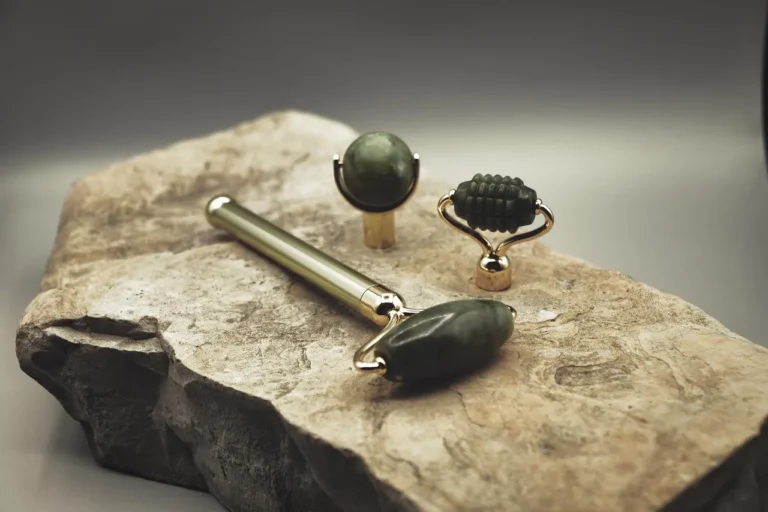
Material and head shape can affect the feel. A smooth metal or stone surface glides differently from silicone or ridged plastic, and a narrow head will touch less skin than a wide one. Those differences affect both glide and skin contact.
More repeatable strokes and timing
Repeatability is one of the main benefits of using a face massager instead of hands. Tools make it easier to count passes, hold a direction, and avoid drifting into heavier pressure as the routine goes on.
That can matter for facial circulation work, where the point is usually short-term swelling reduction and a temporary glow rather than a lasting structural change. A 2015 study is often cited in this context for circulation, collagen, elasticity, and inflammation benefits, but those claims should stay measured.
How shape affects glide
Flat, rounded, and curved heads do different jobs. Rounded edges usually feel gentler around the cheeks, while a shaped edge may fit along the jawline better. A poor fit can create drag, which is why some devices feel good on one area and awkward on another.
Facial massage is sometimes framed as a non-invasive alternative to Botox, but that does not mean it works the same way. Massage can soften the look of puffiness and fine lines for a short time, yet lasting wrinkle reduction is not well established.
Can hands still be the better choice?
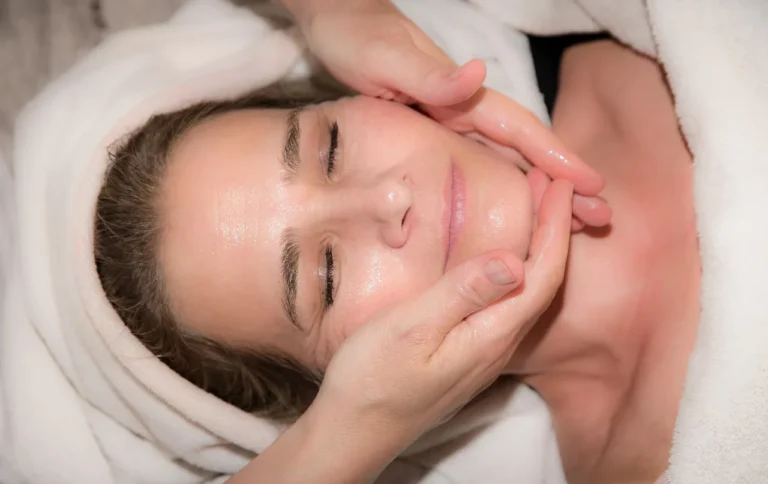
Yes. Hands are often the better choice when the skin is reactive, the area is small, or the goal is a very light touch. They give you instant feedback, and that feedback matters when you need to stop before the skin turns pink or feels hot.
More adjustable touch for reactive skin
Hands can shift from a broad palm to a single fingertip in one motion, which makes them easier to adapt to sensitive skin. That matters if the cheeks flush easily or if a product already causes a slight sting.
For acne-prone or inflamed skin, fewer passes are usually better. A device can tempt you into repeating the same stroke too many times, while hands make it easier to finish the routine quickly and leave the area alone.
Better control around eyes and nose
The eye area and the sides of the nose need caution. Skin there is thin, and a rigid tool can press too firmly if the angle is off by a little.
Hands are usually safer for those zones because the pressure can be feather-light. That lower force is especially useful if the under-eye area is prone to redness or swelling after rubbing.
When fewer passes reduce irritation
Some skin types do better with one or two careful passes than with a full routine. If the barrier is stressed, less contact often beats more contact, even when the routine feels less “thorough.”
That is where hands often win. They let you check the skin after each pass and stop before friction turns into irritation.
Hygiene and cleaning for both methods
Cleanliness matters for any facial massage method. Clean hands lower contamination risk, but they only help if nails are short and the skin under them is clean too. A device adds another surface that must be washed and dried after use.
Hand washing and nail length
Wash hands before any facial massage, and keep nails short enough that they do not scratch. That is especially important near the nose, jawline, and under-eye area, where a small scrape can cause visible irritation.
If hands are dry and rough, they can also drag. A small amount of slip from skincare can help, but too much product can make control worse.
Device cleaning and residue buildup
Devices need routine cleaning because product residue can collect on the surface. If that residue is left in place, the next use can push old product, skin oil, and debris back onto clean skin.
That is a cross-contamination risk, especially if the same tool touches active breakouts, then the cheeks or forehead. Cleaning should be part of the routine, not an afterthought.
- Wash hands before touching the face or device.
- Use only enough product to keep the surface from dragging.
- Clean the tool after each use according to its material.
- Dry it fully before storing it.
- Skip the tool if the skin is hot, inflamed, or freshly irritated.
Face massager decision table
This table gives the quickest answer for common goals. It favors the method that fits the job best, then adds one caution so the choice stays realistic.
| Skin goal | Better method | Reason | Caution |
|---|---|---|---|
| De-puffing | Face massager | Steadier, light strokes are easier to repeat in the same direction. | Too much pressure can irritate the under-eye area. |
| Product application | Face massager | Can spread thin slip products more evenly with fewer finger passes. | Textured or fast-absorbing formulas may drag. |
| Sensitive skin | Hands | Pressure is easier to soften instantly, and passes can stay minimal. | Clean hands and short nails matter. |
| Jaw tension | Face massager | Broad contact can make pressure feel more even across the jawline. | Do not press hard on sore or inflamed areas. |
| Hygiene | Hands | No device surface to wash, dry, and store. | Skip if hands are not clean. |
| Travel convenience | Hands | Nothing extra to pack or clean. | A tool can still be practical if it is cleaned well. |
Choose face massager if… / Choose hands if…
Choose a face massager if you want repeatable pressure from one side of the face to the other, a quicker de-puffing routine, or a tool that spreads a well-slipping product with fewer passes. It also makes sense if you want a more structured routine and do not mind cleaning the device after use.
Choose hands if your skin is reactive, you need very light touch around the eyes or nose, or you want the fastest possible way to stop when the skin starts to sting. Hands are also the better pick if friction, residue, or breakouts are your main concerns.
How often should you use either method? A short routine a few times per week is often easier on the skin than daily aggressive rubbing. For any method, keep pressure light, watch for redness, and stop if the skin feels warm, stingy, or raw.
Are face massagers safer around the eyes and jawline? They can be, but only if the head shape fits the area and the pressure stays light. Around the eyes, hands often remain the safer option because they allow finer control. Along the jaw, a tool can help with even pressure, but it should never be used hard on inflamed skin.
Frequently asked questions
Is a face massager better than using your hands?
A face massager is better when the goal is steady pressure, repeatable strokes, or easier product spread. Hands are better when skin is sensitive, reactive, or already irritated. The better choice depends on the goal, the skin type, and how much control you need in the moment.
What are the benefits of using a face massager instead of hands?
The main benefits are consistency, easier de-puffing, and less drift in pressure from one pass to the next. A tool can also make a short routine feel more structured. Those gains matter most when the skin can tolerate light, repeated contact without friction.
Does a face massager improve circulation more than hands?
Not necessarily. Both methods can raise facial circulation and create a temporary glow. The result depends more on pressure, direction, and duration than on whether the contact comes from fingers or a tool. A harder touch does not mean a better result.
Is a face massager more hygienic than using hands?
No. Clean hands are often simpler and safer for hygiene, while a face massager adds a surface that must be washed and dried. If residue builds up on the device, it can carry old product and debris to fresh skin. Cleanliness matters for both methods.
Can a face massager help with product absorption?
It can help spread a serum or oil more evenly, but that is not the same as deeper absorption. Too much pressure may irritate skin or create drag, especially with a texture that does not glide well. If the product stings, stop and switch to lighter contact.
Which facial massage method is better for anti-aging results?
Neither method should be treated as a proven wrinkle remover. Massage may soften the look of fine lines for a short time by easing puffiness and improving the way skin sits, but lasting anti-aging claims are limited. For mature skin, the safer goal is gentle, consistent contact rather than strong pressure.