What Happens If You Don’t Clean Your Face Massager?

If you do not clean a face massager after each use, oil, makeup, and bacteria build up fast. That can trigger breakouts, irritation, and weaker device performance within days. The longer it stays dirty, the more grime you spread onto clean skin, and the sooner the head, rollers, or charging parts wear down. This guide breaks down what happens by material, how serious the risks are, and how to clean it safely.
Why a dirty face massager causes problems
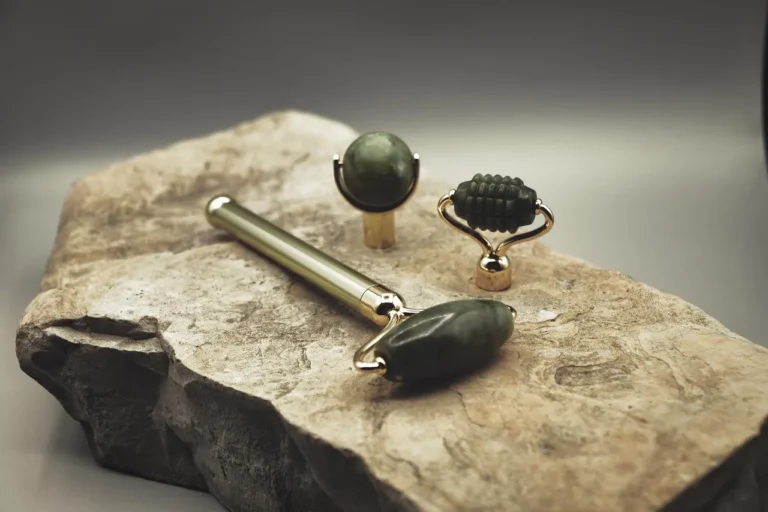
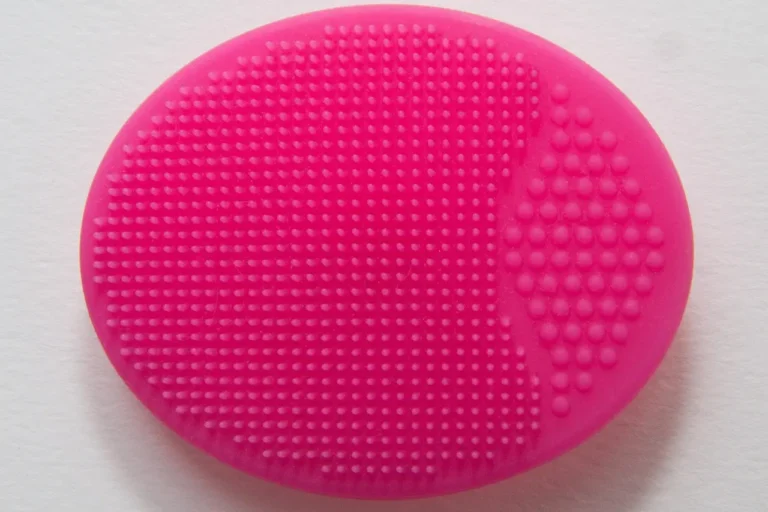
A face massager touches skin, oils, serums, moisturizer, cleanser, and loose debris every time you use it. If that mix stays on the tool, it can feed bacteria, trap grit in seams, and harden into sticky residue that is harder to remove later. Material matters too: stone, metal, silicone, coated surfaces, and electric heads each tolerate cleaning differently.
Even when skin looks fine, repeated contact can move residue from one area of the face to another. That matters most on acne-prone, freshly exfoliated, or already irritated skin, where a dirty tool can turn mild trouble into redness, stinging, or more clogged pores.
What actually happens on the tool
Residue first sits on the surface. Then it settles into grooves, roller seams, textured edges, or charging ports. With moisture and repeated use, bacteria can accumulate on frequently handled surfaces, and product residue can harden around them. Once that happens, a quick wipe often is not enough.
What actually happens on your skin
Dirty contact can leave a thin film of oil and product on clean skin, then spread debris back across the face. That can mean more congestion, more shine, or a sting on skin that is already sensitized. The risk is usually higher when the tool is shared, used after heavy product layers, or used after a breakout.
What you’ll need
- Mild soap or a gentle dish cleanser approved by the manufacturer
- Clean lukewarm water
- Soft lint-free cloth or microfiber cloth
- Cotton swabs for seams, grooves, and edges
- Fresh dry towel
- A manufacturer-safe disinfecting product, only if the device guidance allows it
- Charging cable or storage stand, if the tool is electric and needs to dry upright
How to clean it after each use
A common baseline is to clean it after every use. Clean the tool before residue dries, especially if you used serum, moisturizer, sunscreen, or oil. That stops buildup from hardening and keeps routine washing enough for most daily use.
- Unplug and inspect. Check for product film, trapped hair, visible grime, or damage before you add water. If you see cracks, peeling coating, loose parts, or moisture inside an electric head, stop and follow the maker’s replacement or service guidance.
- Wash the contact surface. Use lukewarm water and a small amount of mild soap on a cloth or your fingertips, then clean the face-touching area for about 20 to 30 seconds; a common rule of thumb is to clean it for that long. Keep water away from charging ports and battery openings.
- Clear grooves and seams. Use a damp cotton swab to lift residue from ridges, roller edges, and textured spots. This matters because product residue can harden there and protect bacteria from a quick wipe.
- Rinse and dry fully. Wipe away soap with clean water if the material allows it, then dry every surface with a lint-free cloth. Let the tool air-dry before storage so moisture does not stay trapped against the head or handle.
- Store it clean. Place the tool in a dry container or stand, away from sink splashes and used towels. If the tool has a cap or case, make sure both are dry first so you do not seal in damp residue.
Can a dirty face massager cause breakouts?
Yes. A dirty face massager can raise the chance of breakouts, especially if you already deal with acne or use the tool on more than one person. Oil, cleanser, and dead skin can mix with bacteria and then move back onto pores during the next use.
Acne-prone skin
Acne-prone skin is more likely to react when residue is pushed across the face. A tool that still carries moisturizer, sunscreen, or face oil can add to clogged pores, particularly around the jaw, cheeks, and chin where many people already break out.
Shared tools
Shared face massagers carry more risk because bacteria may transfer from hands, skin, and product residue between users. If a tool is passed around without cleaning between uses, the chance of spreading grime and triggering blemishes goes up.
Freshly exfoliated or compromised skin
Freshly exfoliated skin, or skin with a damaged barrier, is more likely to sting or turn red when a dirty tool passes over it. Suppose a roller has a thin film of serum and grit after exfoliation; the next pass can feel sharp, then leave visible redness for longer than usual.
What germs and residue can build up?
Bacteria can accumulate on face massagers that are handled often and stored damp. The most common buildup comes from your own skin, your hands, and the leftover product on the tool. Moisture matters because it helps residue stay active instead of drying into a harmless film.
Bacteria from hands and skin
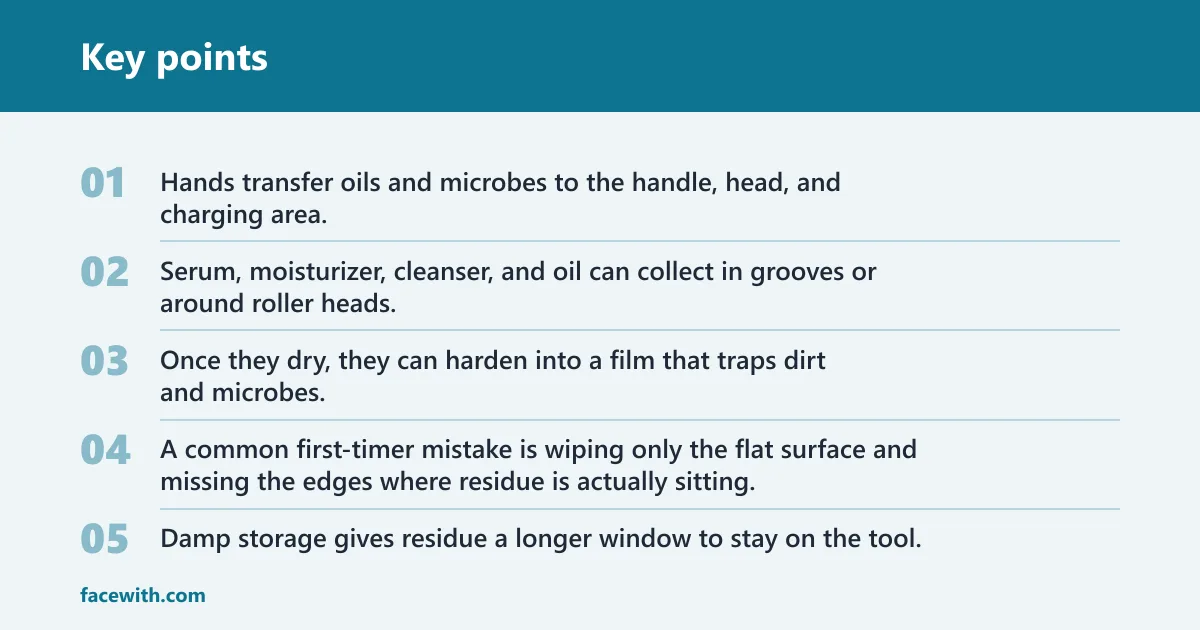
Hands transfer oils and microbes to the handle, head, and charging area. Skin contact adds more. If the tool is touched before and after washing your face, the same surface can collect material from both the face and the fingers that hold it.
Product residue in grooves and seams
Serum, moisturizer, cleanser, and oil can collect in grooves or around roller heads. Once they dry, they can harden into a film that traps dirt and microbes. A common first-timer mistake is wiping only the flat surface and missing the edges where residue is actually sitting.
Why moisture raises the risk
Damp storage gives residue a longer window to stay on the tool. That matters most for electric heads, silicone pieces, and coated surfaces with small seams, because leftover liquid can sit where a cloth does not reach easily. Drying fully lowers the chance that grime keeps building.
Can you still use a face massager after being sick?
Yes, but only after routine cleaning, and sometimes disinfection too. If the tool was used while you had a contagious illness, touched your face repeatedly during recovery, or shared with someone else, a simple rinse may not be enough. The right response depends on the material and the manufacturer’s guidance.
When routine cleaning is enough
If the tool was used normally and has only light residue, wash it with mild soap and water, then dry it completely. That is enough for everyday skin oil, cleanser, and serum left behind after a normal session.
When to disinfect
Disinfection is different from cleaning. Cleaning removes residue; disinfection targets more of the microorganisms that may remain. After illness, or after use on skin with active infection risk, a manufacturer-safe disinfecting step may be appropriate if the material allows it. Avoid guessing with harsh products on coated or electric parts.
When to replace the tool
Replace it if the surface is cracked, the coating is peeling, the silicone is torn, or water has entered an electric head. If a device cannot be cleaned without soaking parts that should stay dry, it is safer to retire it than keep using it dirty.
Face massager risk table
| Contamination level | Likely skin risk | Device risk | Cleaning method | Disinfect? | When to replace |
|---|---|---|---|---|---|
| Light residue | Low, unless skin is already sensitive | Minor film on surface; easy to remove | Mild soap, lukewarm water, dry cloth | No | Only if the head is cracked or worn |
| Visible grime | Moderate irritation risk, possible clogged pores | Residue in seams and grooves can harden | Soap wash plus cotton swab for edges | Usually no, unless higher-risk use occurred | If buildup stays after repeated cleaning |
| Post-workout use | Higher irritation risk from sweat and bacteria transfer | Moist residue may stay on the tool longer | Wash right away; dry fully before storage | Usually not needed | If sweat has entered ports, seams, or cracks |
| Post-acne use | Higher breakout risk, especially on acne-prone skin | Skin oils and treatment residue can collect | Soap wash, detail clean, full dry | Consider if the breakout was active and the tool touched lesions | If the surface is damaged or hard to sanitize |
| Post-illness use | Higher contamination concern, especially with shared tools | Microbes may remain on touch surfaces | Clean first, then use a material-safe disinfecting step | Yes, if the manufacturer allows it | If the tool cannot be disinfected safely |
Common mistakes
One mistake is waiting until residue is visible. By then, oils and product have often already settled into seams or hardened on the head. Another is using the same cleanser on every material without checking the device guide.
Do not soak electric parts unless the maker says they are waterproof. Vogue notes the Joanna Czech Facial Massager is waterproof, but waterproof does not mean every face massager is. Vogue also says the Joanna Czech Facial Massager is made of aluminum and zinc alloy, while the Ranavat Kansa Wand uses kansa, a mix of copper and tin. Materials behave differently under water and disinfectants.
Another mistake is treating a wipe-down as disinfection. If the tool was used after illness, on active breakouts, or on shared skin, routine washing and disinfection are different steps. Harsh alcohol wipes can also damage some coatings, so use them only if the manufacturer allows that material.
Frequently asked questions
What happens if you don’t clean your face massager?
Oil, serum, moisturizer, cleanser, and bacteria stay on the surface, then move back onto skin at the next use. Over time, residue can harden in grooves, and the tool may feel draggy or sticky. That raises irritation risk and can shorten the usable life of the head or rollers.
How often should you clean a face massager?
Clean it after every use. If you use heavy product layers, worked out before treatment, or used it while sick, add a more careful wash right away and disinfect only if the material and manufacturer guidance allow it. Let it dry completely before putting it away.
What germs can build up on a face massager?
Frequently handled surfaces can collect bacteria from hands, skin, and product residue. Moisture and repeated use make that more likely. The exact mix varies by use, but the practical answer is the same: do not leave a damp, product-coated tool sitting between sessions.
Is it safe to use alcohol wipes on a face massager?
Sometimes, but only when the material and manufacturer instructions allow it. Alcohol can cloud some coatings, dry out silicone, or harm certain finishes. If the device is electric, avoid any wipe that could push liquid into ports or seals unless the product guide says it is safe.
How do you know if a face massager needs cleaning?
Clean it if you see shine from oil, feel tackiness, notice product in seams, or smell stale residue. Even without visible grime, after-use cleaning is still the baseline. If the tool feels slippery or starts dragging over skin, it needs a wash before the next session.
Can a face massager damage your skin if it is dirty?
Yes, especially if your skin is already irritated, freshly exfoliated, or acne-prone. Dirty contact can add residue, spread bacteria, and create more friction than a clean tool would. The result is often redness, stinging, or more congestion rather than the calm, even glide you want.