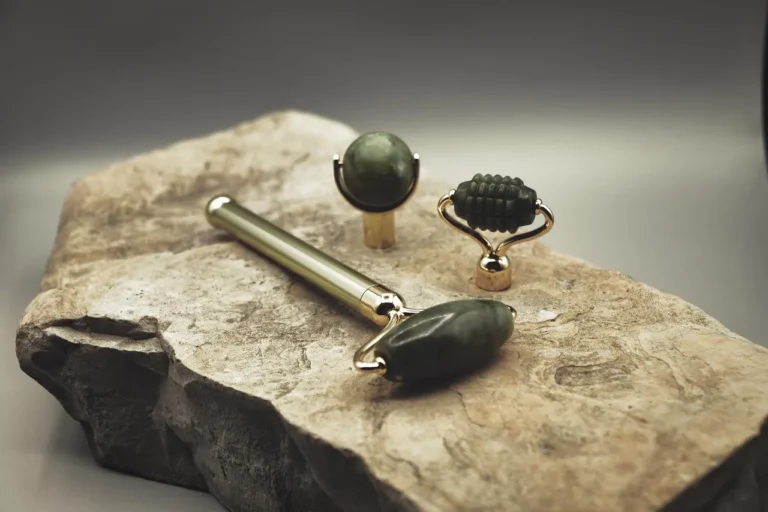

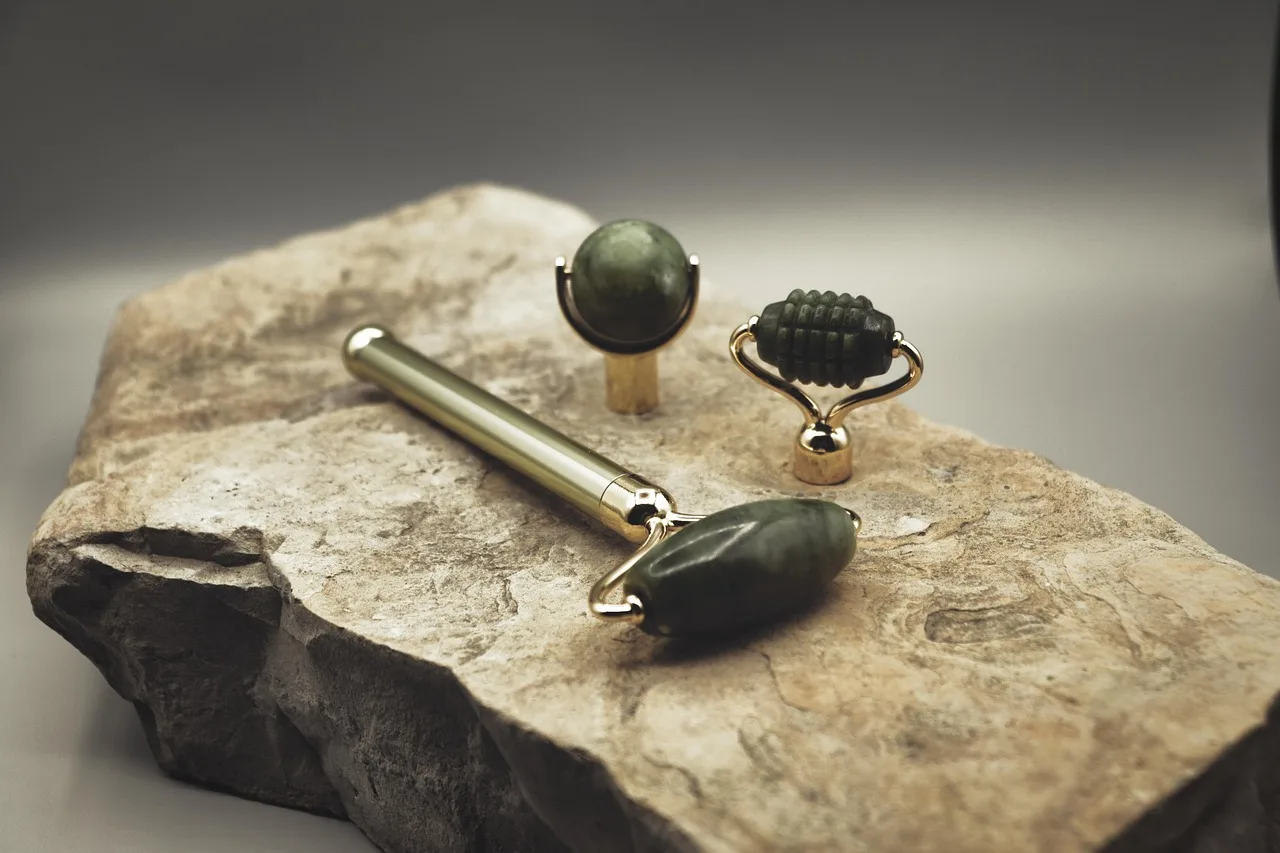
Best Face and Neck Massager for Home Use

For beginners, the best face-and-neck massager for home use is a low-intensity tool with clear controls, a smooth gliding head, and a neck-safe shape that lets you move from jaw to collarbone without tugging. Used badly, it can cause irritation, uneven results, or wasted money on features you do not need. This guide compares the main options, shows the safest face-to-neck order, and points out the mistakes that make results inconsistent.
Quick picks
| Tool type | Best use case | Neck compatibility | Glide requirement | Cleanup burden | Pressure risk | Ideal session length |
|---|---|---|---|---|---|---|
| Microcurrent device | Beginners who want a structured routine and a simple setting path | Good if the listing names face and neck target zones | High; usually needs conductive gel | Medium; wipe the head and manage gel residue | Low to medium if you keep it moving | About 5 minutes is common in consumer tools |
| Vibration sculpting bar | Quick depuffing and tension relief with little setup | Usually usable on the neck if the head shape fits the area | Moderate; works best over serum or oil | Low to medium; wipe after use | Medium if you press too hard | Short sessions, often a few minutes |
| Gua sha tool | Manual control, jawline work, and a low-cost routine | Good for the sides of the neck, not the front | High; needs face or body oil | Low; wash and dry after use | High if you use too much angle or force | About 5 to 10 minutes is usually enough for a beginner routine. |
| Neck massager pillow | Desk neck and shoulder tension, plus heat-based relaxation | Strong for neck, shoulders, and back; weak for facial use | None | Low on the cover; higher if you share it or skip cleaning | Low to medium; pressure is fixed | Varies by model; confirm in the manual. |
| Cleanser attachment | People who want cleansing plus massage in one tool | Usually face-first, not a neck routine | Low | High; wash or sanitize between uses | Low if used gently | Short cleansing passes only |
- Best for beginners: a face-and-neck microcurrent device with simple controls and a built-in shutoff. BestAdvisor lists a NuFACE device with face and neck target zones, five intensity levels, and a five-minute auto shutoff.
- Best for manual control: a gua sha tool or another manual sculpting piece. Allure’s manual pick has eight different divets and corners for grip and angles, which matters when you want to trace the jaw and sides of the neck without guessing the edge.
- Best for low-effort electric use: a vibration tool with a smooth head and optional heat. BestAdvisor lists the Ms.W face massager as using vibration and heat up to about 45°C, which may suit a short de-puffing routine more than a deep massage.
- Best for neck and shoulder tension: a neck massager pillow with kneading nodes and heat. Jen Reviews says some neck massagers have four massage nodes for kneading, and its top neck massager includes a heating function.
- Best for cleansing-focused routines: a hybrid device with a cleanser attachment. That format is useful only if you are willing to wash the attachment between uses and keep oil from building up in the head or seams.
Which type is best for your face and neck?
The best type depends on where the issue shows up and how much setup you will accept. Microcurrent suits a structured routine; vibration suits quick depuffing; gua sha suits manual control; and a neck pillow suits desk tension, not facial work. Pick the tool that matches your main failure mode, whether that is poor glide, too much pressure, or bad cleanup habits.

Manual tools versus electric devices
Manual tools give you direct control over angle and pressure, which helps if you want to stay gentle around the jaw and sides of the neck. Electric tools reduce guesswork, but they add charging, mode selection, and cleanup. If you want the lowest cost and the simplest care, manual usually wins. If you want a repeatable routine, electric is easier to standardize.
A common first-timer mistake is choosing a tool for the face only, then trying to drag it down the front of the neck. That is where pressure mistakes happen. The front of the neck is not a place for heavy force or random sweeps.
Portable versus plug-in formats
Portable tools fit travel bags and small bathrooms. Plug-in neck pillows are better for home use at a chair or desk because they do not need battery management, and heating usually stays more stable. Portable tools are more likely to have limited runtime, so check the owner’s manual for battery life and shutoff behavior before you buy.
When a face-only tool is enough
A face-only tool is enough if you only want cheek, jawline, or brow work and do not plan to treat the neck. Do not assume a facial device is neck-safe. If the product listing does not clearly support the neck, keep it on the face and use a separate neck tool for the lower area.
Face and neck massager comparison table
| Tool | What it is good at | What to watch | Best fit for |
|---|---|---|---|
| NuFACE-style microcurrent device | Low-voltage current, often paired with conductive gel; consumer tools often use short sessions | Needs consistent gel coverage and clear target-zone guidance | Beginners who want a repeatable face-and-neck routine |
| Jillian Dempsey Gold Sculpting Bar | Vibration; Vogue says it vibrates 6,000 times per minute | Fast motion can tempt users to press harder than needed | Quick depuffing and light tension relief |
| Joanna Czech Facial Massager | Manual massage with a short daily routine; Vogue recommends about seven minutes a day | Needs oil or serum for smooth glide | People who want a short, controlled routine |
| Ranavat Kansa Wand | Manual sculpting; Vogue describes it as made of Kansa, a copper-and-tin mix | Needs careful angle control to avoid dragging | Jawline and cheek work with a traditional tool |
| Therabody Theraface PRO | Vogue says it is recommended for TMJ | Check the listing for which attachments are meant for face, not neck | Users who want targeted facial relief around the jaw |
| Neck pillow massager | Kneading nodes, heat, and broad neck or shoulder coverage | Not a facial sculpting tool | Desk tension, neck stiffness, and shoulder fatigue |
How do you use a face and neck massager at home?
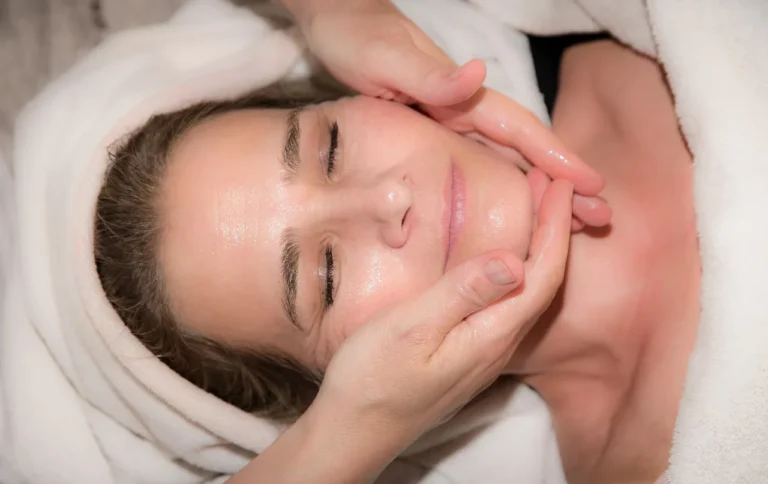
Start with clean skin, a compatible glide medium, and a light touch. Move from the jawline to the sides of the neck, then down toward the collarbone. Keep pressure light, avoid the front of the neck, and stop if the tool pulls, stings, or leaves red marks that last more than a few minutes.
-
Clean the skin first.
Remove makeup, sunscreen, and sweat before you begin. A clean surface lowers the risk of dragging debris across the face or clogging a cleansing attachment. -
Add the right glide.
Use conductive gel for microcurrent, or serum or oil for gua sha and many vibration tools. Dry skin raises friction and invites tugging, which is the fastest way to make a routine feel rough. -
Work from jaw to neck.
Start near the jawline, then move along the sides of the neck in slow passes. Keep the direction consistent so you are not bouncing back and forth across the same area. -
Finish at the collarbone.
End each pass by moving down toward the collarbone, not upward into the throat. That keeps the sequence calm and avoids needless pressure on the front of the neck. -
Stay away from no-go zones.
Avoid the front of the neck, the throat, and any area that feels sore, irritated, or swollen. If your device is a cleanser attachment, stop to wash or sanitize it before the next use. -
Keep sessions short.
Microcurrent routines commonly stay around five minutes in consumer tools, while Vogue recommends about seven minutes a day for the Joanna Czech Facial Massager. Short sessions are easier to repeat and less likely to turn into overwork.
| Order | Direction | No-go zones |
|---|---|---|
| 1 | Jawline outward and upward with light contact | Front of the neck |
| 2 | Side of the neck downward in slow passes | Throat and windpipe area |
| 3 | Finish at the collarbone with gentle downward strokes | Areas that sting, bruise, or feel tender |
Say your skin feels puffy after a long desk day and your jaw is tight from clenching. A short routine with light pressure, gel, and a down-and-out neck sequence is more useful than a hard pass over the front of the throat. The point is consistency, not force.
How to choose the right tool
Choose by failure mode. If the routine falls apart because of poor glide, pick a tool that works with conductive gel, oil, or serum. If the routine falls apart because of cleanup, choose a simple manual tool. If you want heat, look at neck pillows or vibration tools with heat, not facial sculpting pieces that happen to feel warm.
Microcurrent and conductive gel
Microcurrent uses low-voltage current and is often sold as a lifting or firming tool, but those claims should stay modest. For consumers, the practical advantage is structure: a short, repeatable routine. The tradeoff is gel. If you dislike messy prep, this category will feel annoying fast.
Vibration and heat
Vibration massage uses frequency-based stimulation and can help with temporary depuffing and tension relief. Some tools include heat, which many users prefer for relaxation. BestAdvisor lists the Ms.W face massager as using vibration and heat up to about 45°C, while Jen Reviews says some neck massagers have four massage nodes for kneading and include heating.
Gua sha edges and glide
Gua sha works best when the tool has angled edges or corners that fit the jaw, cheeks, and neck. Allure’s manual pick has eight different divets and corners for grip and angles, which is exactly the sort of detail that matters in a beginner routine. Without enough glide, the edges can pull instead of glide.
Cleansing attachments and cleanup
A cleanser attachment is useful if you want one device for cleansing and massage, but it is also the easiest place for oil and residue to build up. Wash or sanitize between uses, and dry the head fully before storage. If you skip that step, bacteria and grime become the real problem, not the massage setting.
Which option fits your main goal?
Pick the tool that matches the result you actually want. Temporary de-puffing is different from firmness claims, and neck comfort is different from face sculpting. If you want fast relief after screen time, choose a vibration or heat-based option; if you want a repeatable face-and-neck routine, choose microcurrent; if you want the lowest upkeep, choose a manual tool.
Depuffing and decongestion
For temporary de-puffing, vibration and consistent directional work are usually the simplest path. Lymphatic drainage is often used as a benefit claim, but the result is generally short-lived and depends on technique. Direction matters because random motion does not move fluid in a controlled way.
Tension relief and jaw comfort
If the main complaint is jaw tightness, a tool with gentle vibration or a manual sculpting edge is a better fit than a heavy neck massager. Vogue says the Therabody Theraface PRO is recommended for TMJ, which makes it more relevant to jaw-focused routines than a broad neck pillow.
Desk neck and shoulder use
For desk tension, choose a neck pillow massager with kneading nodes and heat. That format is built for neck, shoulders, and back, not for the cheeks or brow. It can be a better daily home tool than a facial device if your main issue is posture fatigue.
Travel-friendly routines
For travel, manual tools and compact vibration bars are easier to pack than plug-in pillows. A battery-powered facial device can work too, but check charging and shutoff behavior before buying. If a routine depends on a charger, a travel-friendly habit can fall apart quickly.
Frequently asked questions
What is the best neck massager for home use?
The best neck massager for home use is usually a kneading pillow with heat if your goal is desk tension or shoulder tightness. Jen Reviews says some neck massagers have four massage nodes and includes heating in its top pick. Choose a plug-in format if you want steady home use.
How do you use a neck massager safely?
Use the lowest effective setting, avoid any sore or inflamed area, and do not press hard into the throat. Heated neck massagers should feel warm and relaxing, not hot. If the device has a timer or auto shutoff, let it end the session rather than extending it.
How do you use a face massager properly?
Start with clean skin, add serum, oil, or conductive gel as required, and keep the tool moving along the jaw, cheeks, and neck in the same general direction. If the tool is for cleansing, wash the attachment after use. If it is for microcurrent, follow the manufacturer’s conductive-gel instructions.
Are neck massagers any good for daily use?
Yes, if the pressure is light and the session is short. Daily use makes the most sense for relaxation, temporary de-puffing, or tension relief. It is less useful if you want a dramatic change, because most results from home massagers are temporary and technique-dependent.
Do neck massagers work according to medical facts?
They can help with comfort, relaxation, and temporary symptom relief, but they do not treat medical conditions. Heating can support relaxation, and kneading can feel good on tight muscles. If pain, swelling, or numbness is persistent, that is a medical issue, not a massager problem.