What Skin Problems Can Happen From a Facial Cleansing Brush?
Skin stinging, lingering redness, flaking, and breakouts can point to an abrasive brush or over-exfoliation. See how to tell what is causing it.


Skin stinging, lingering redness, flaking, and breakouts can point to an abrasive brush or over-exfoliation. See how to tell what is causing it.
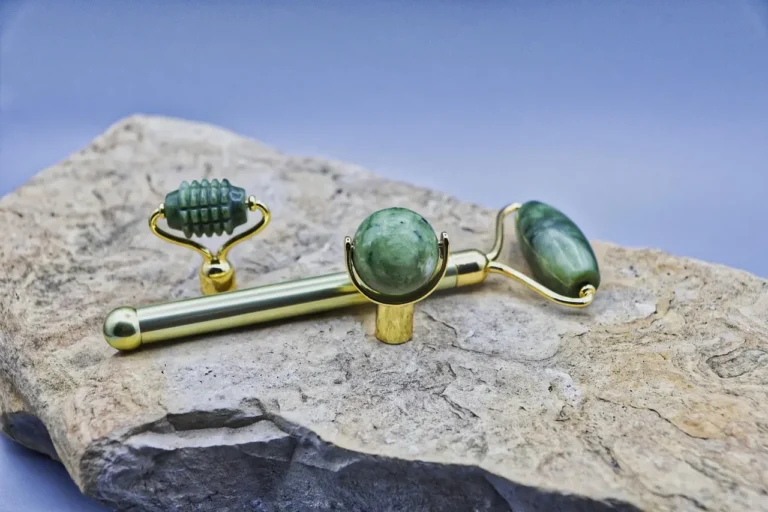
Use a face massager roller on clean skin with serum or moisturizer, then roll outward and upward for 3 to 5 minutes with light pressure.

Use a 3-check rule to verify material, inspect finish, and confirm origin before you buy or use a gua sha tool.

Use a facial cleansing brush on wet skin for 20–30 seconds with light pressure, and limit use to 2–3 times a week if skin is sensitive.

Yes—if your skin turns red, stings, or breaks out within 1 to 2 weeks of starting a brush, it can be the cause.

Use lukewarm water, mild soap, and a soft cloth after each use. Follow the alcohol rule only for non-porous stone, then dry fully and store the tool clean.

Microcurrent sends very low-level electrical currents into facial tissue to briefly stimulate muscles and support blood flow, so skin can look a little firmer and less puffy.

Compare microcurrent devices by output control, electrode design, prep time, and routine demands so you can choose one you will actually keep using.

Use a dry microfiber cloth first, then distilled water on plastic or silicone and 70% isopropyl alcohol on metal electrodes. Never soak the device.

Clean a facial cleansing brush after every use, dry it fully, and deep-clean it weekly. Learn storage, drying, and replacement steps by brush type.